One Trusted Nursery

Over 350 Bromeliad Species & Hybrids

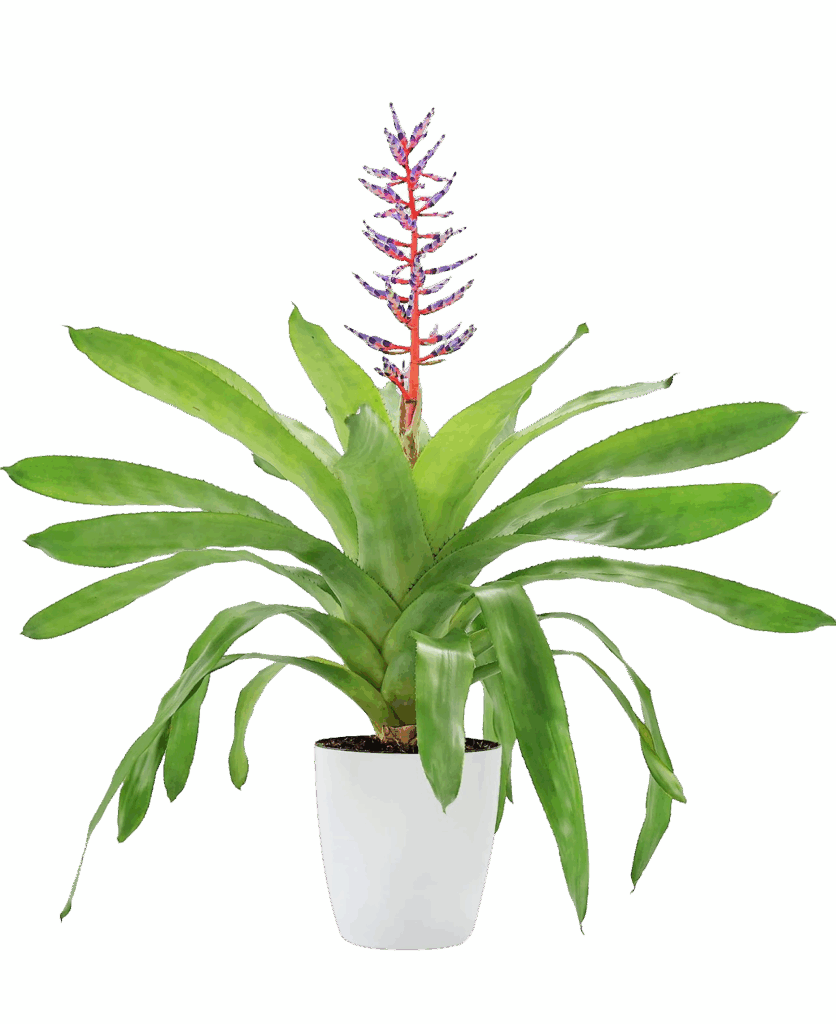
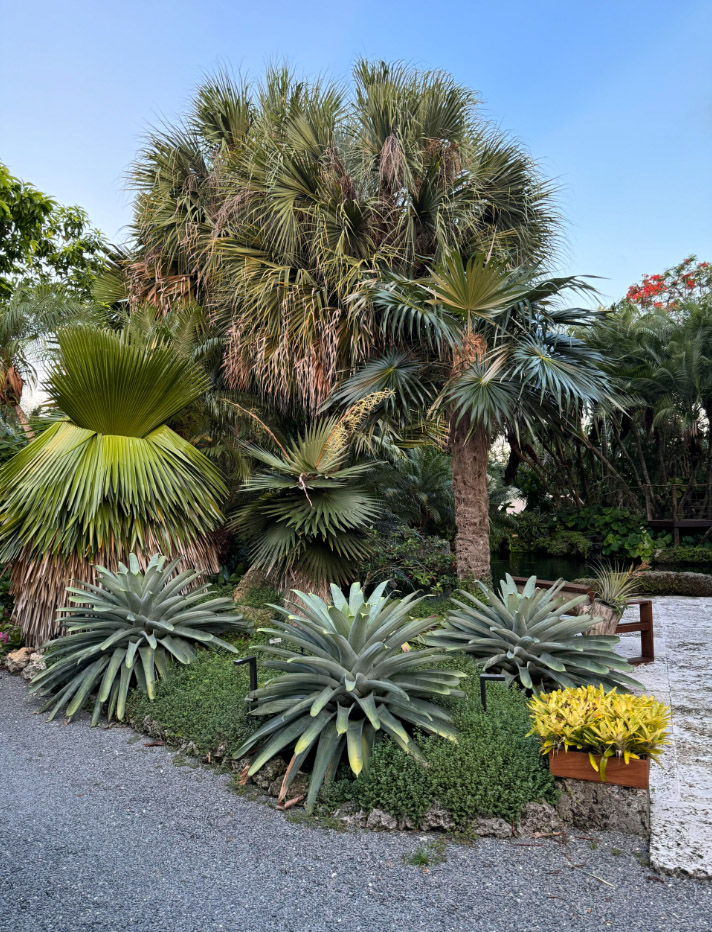
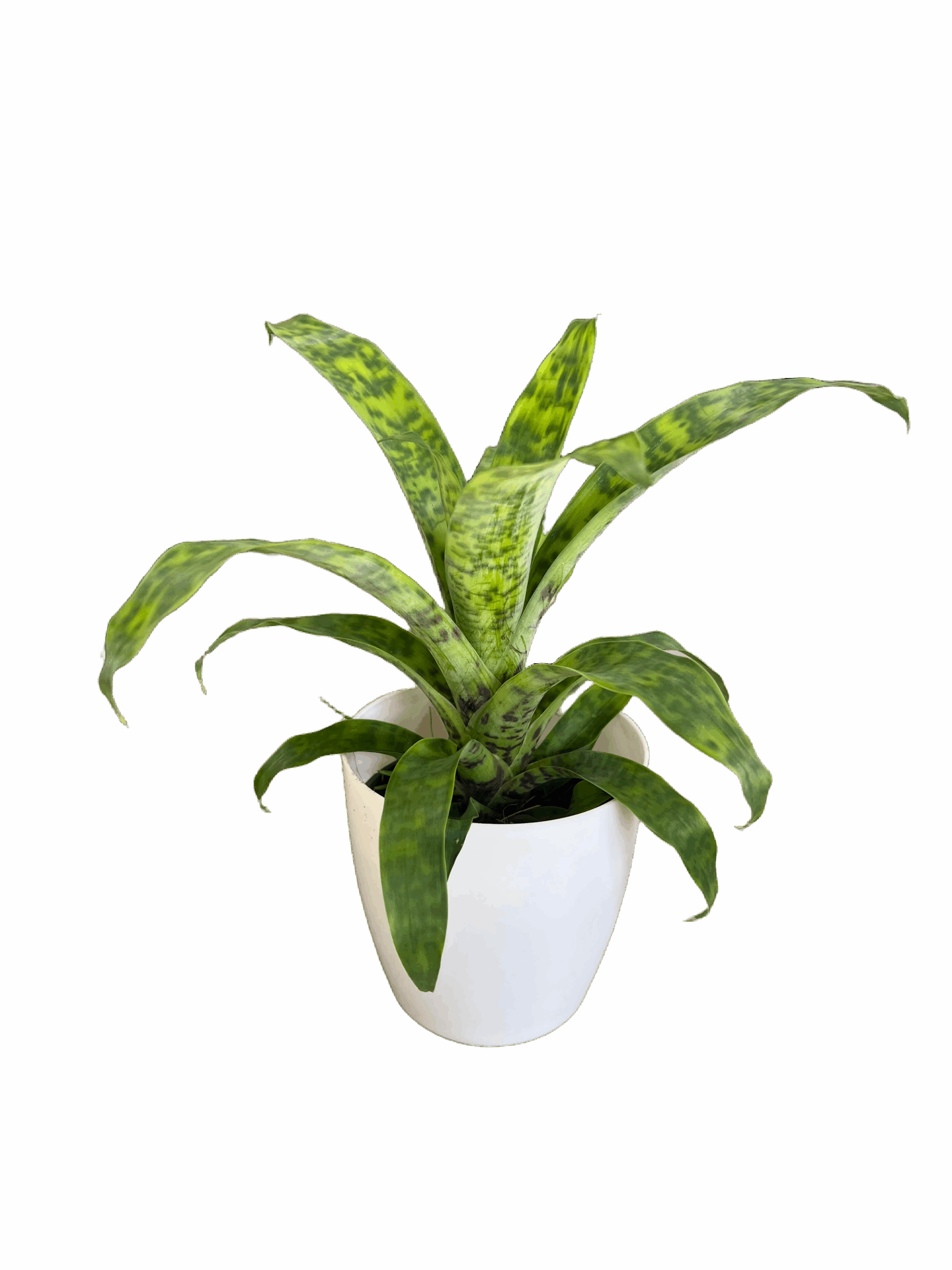
For almost 50 years, we’ve specialized in growing bromeliads. With more than 350 stunning species and hybrids, we grow everything from bareroot air plants to impressive 25-gallon specimens. We’re passionate about showcasing the incredible beauty bromeliads have to offer, ensuring your customers receive only the best.

Contact Us

We are a ‘Wholesale Only’ Nursery Located in South Florida.

    Bullis Bromeliads

    Subscribe Newsletter

    Stay in the loop! Subscribe to our newsletter for updates, tips, and special offers—delivered right to your inbox.

    About Bullis Bromeliads

    Bullis Bromeliads is a Family-Owned & Operated Business Since 1977.

    Founded in 1977 by the late Harvey R. Bullis Jr., a marine biologist and malacologist, our story began with a passion for discovery. Harvey’s fascination with bromeliads started during his travels through South America, where he first encountered these extraordinary plants. Captivated by their beauty, he began importing them to the United States. Gardeners, collectors, and designers were fascinated to see these plants for the first time. As interest grew, Harvey sent his daughter-in-law, Patricia Bullis, on the first of many collection trips throughout South and Central America. During these expeditions, Patricia discovered and introduced numerous bromeliad species to the U.S. market. One of the most significant discoveries is the now world renowned Alcantarea Odorata. Bullis Bromeliads was the first to discover and introduce the Alcantarea Odorata. Under the guidance of her father-in-law, Patricia learned the art of bromeliad hybridization and began creating new cultivars of her own. Her creativity and dedication led to the development of dozens of unique hybrids, including Aechmea ‘Blue Tango’ and ‘Del Mar.’
    Bullis Bromeliads

    Applications

    Virtual Tours

    Events & Awards

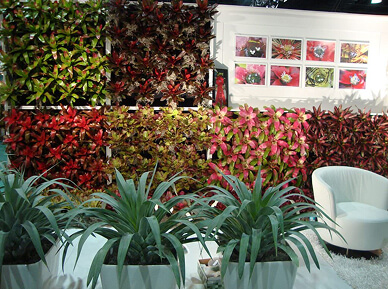
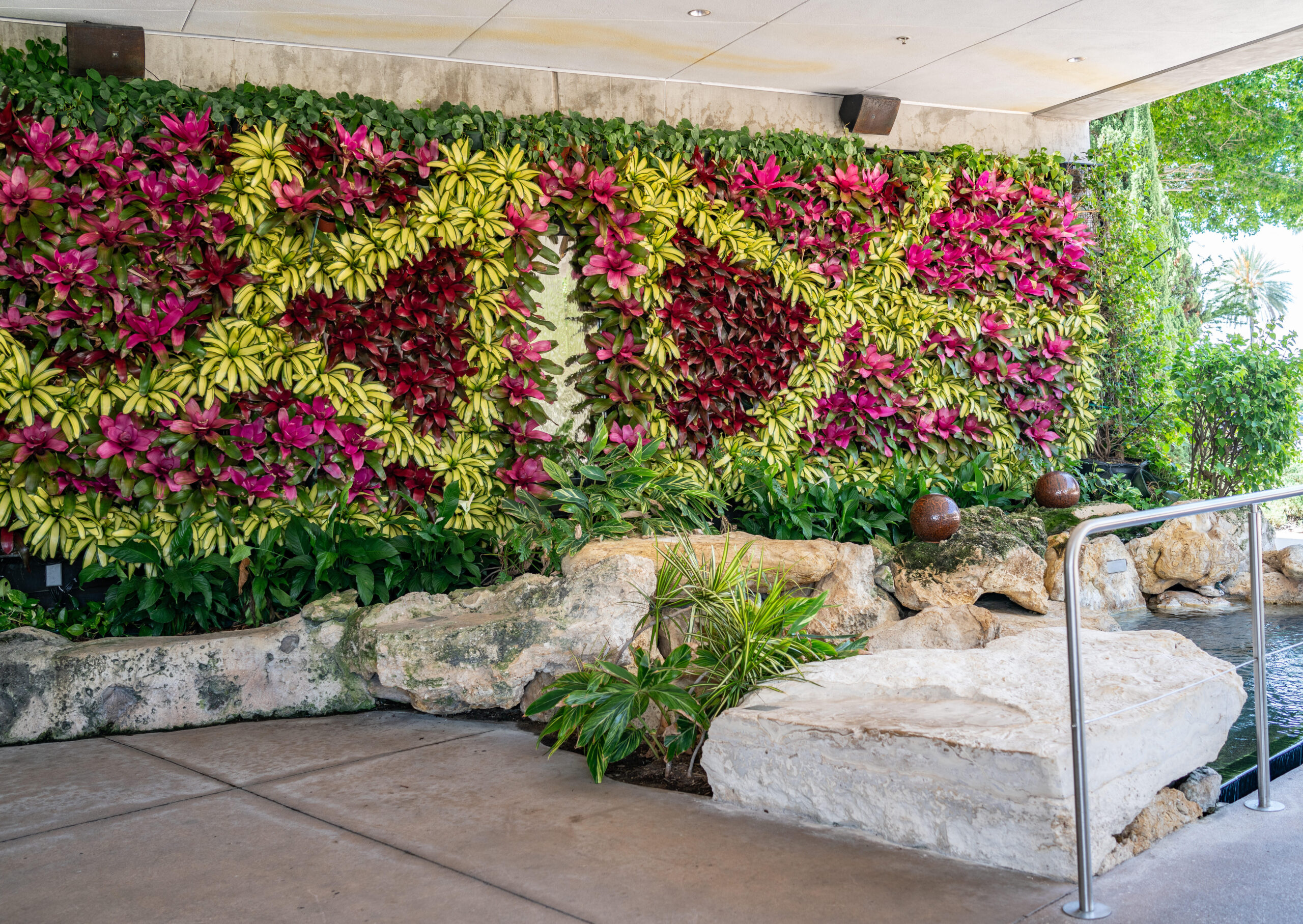
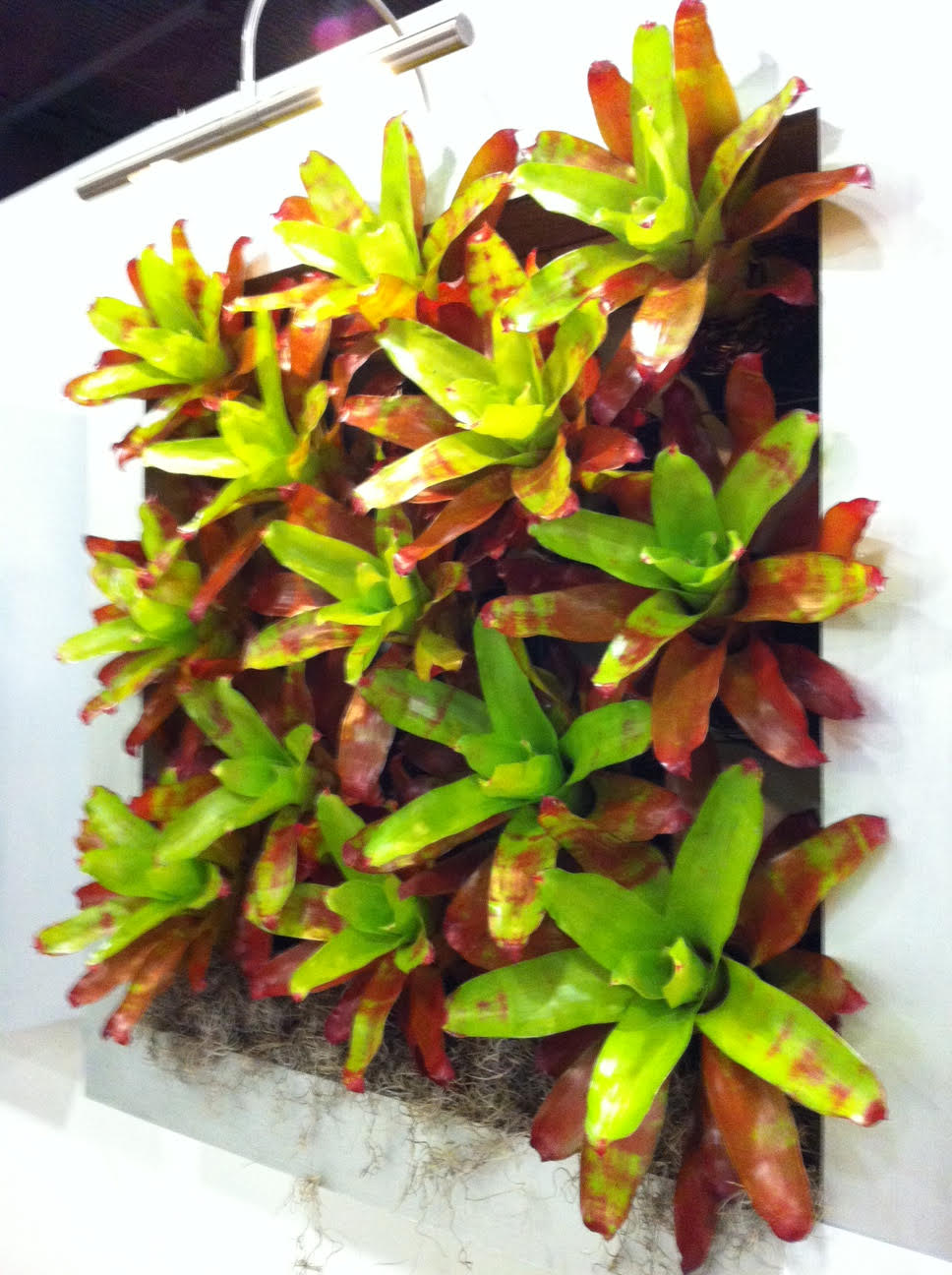
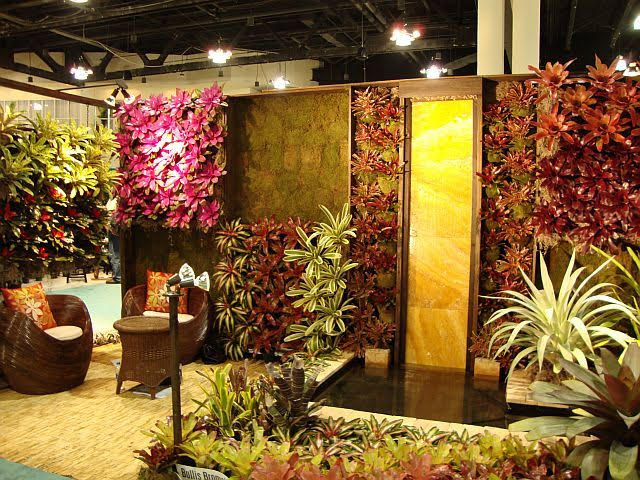
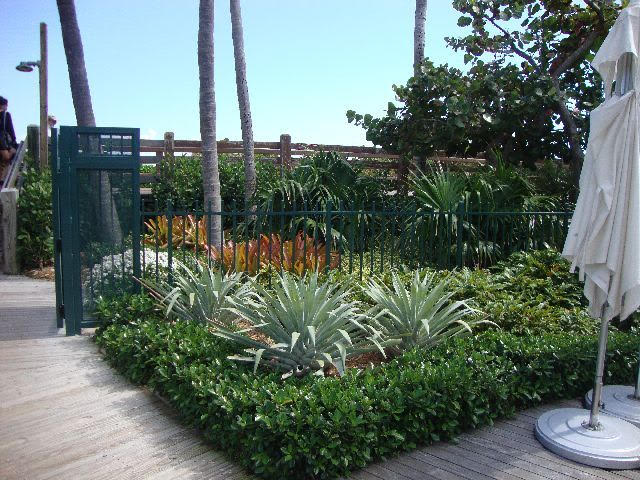
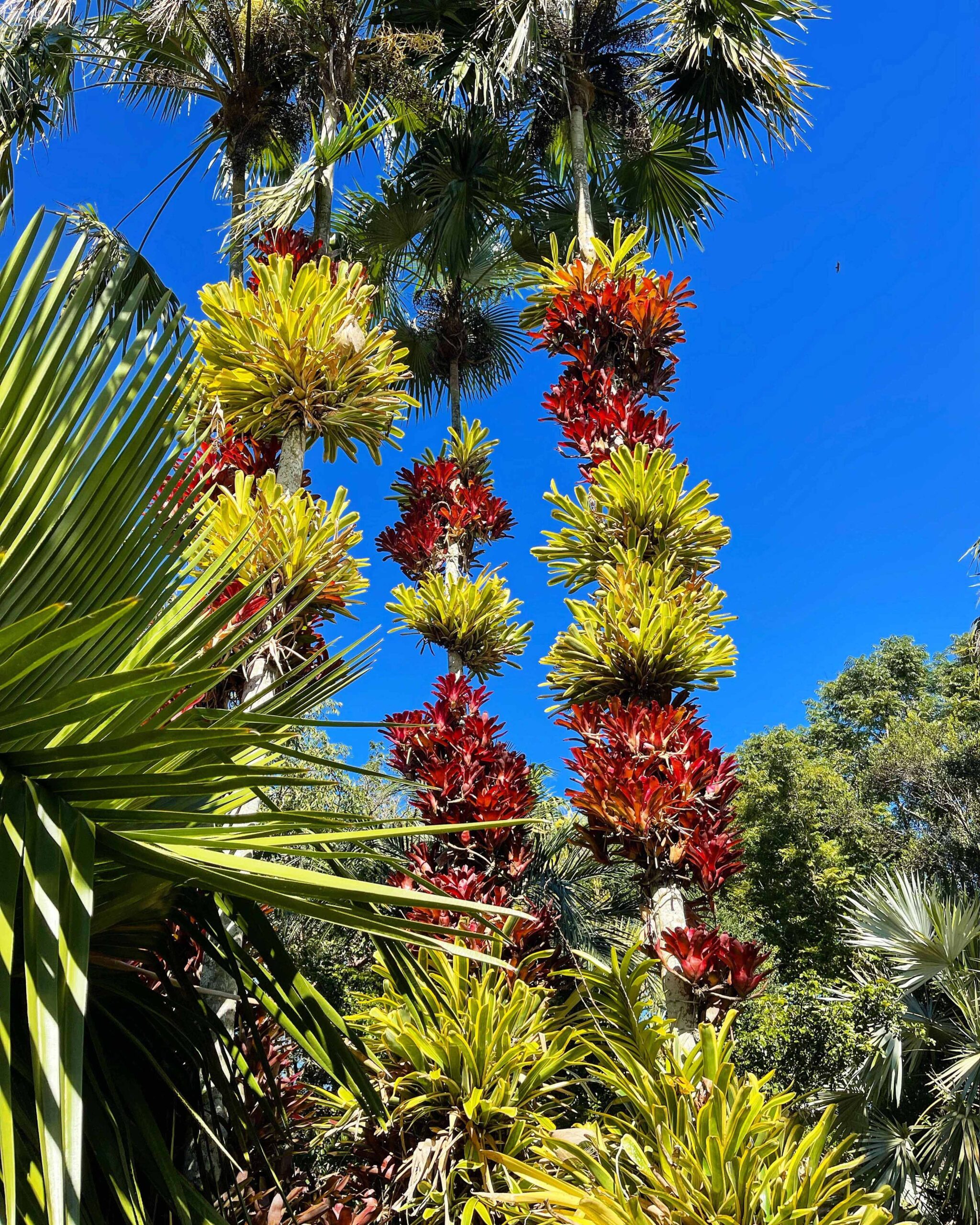
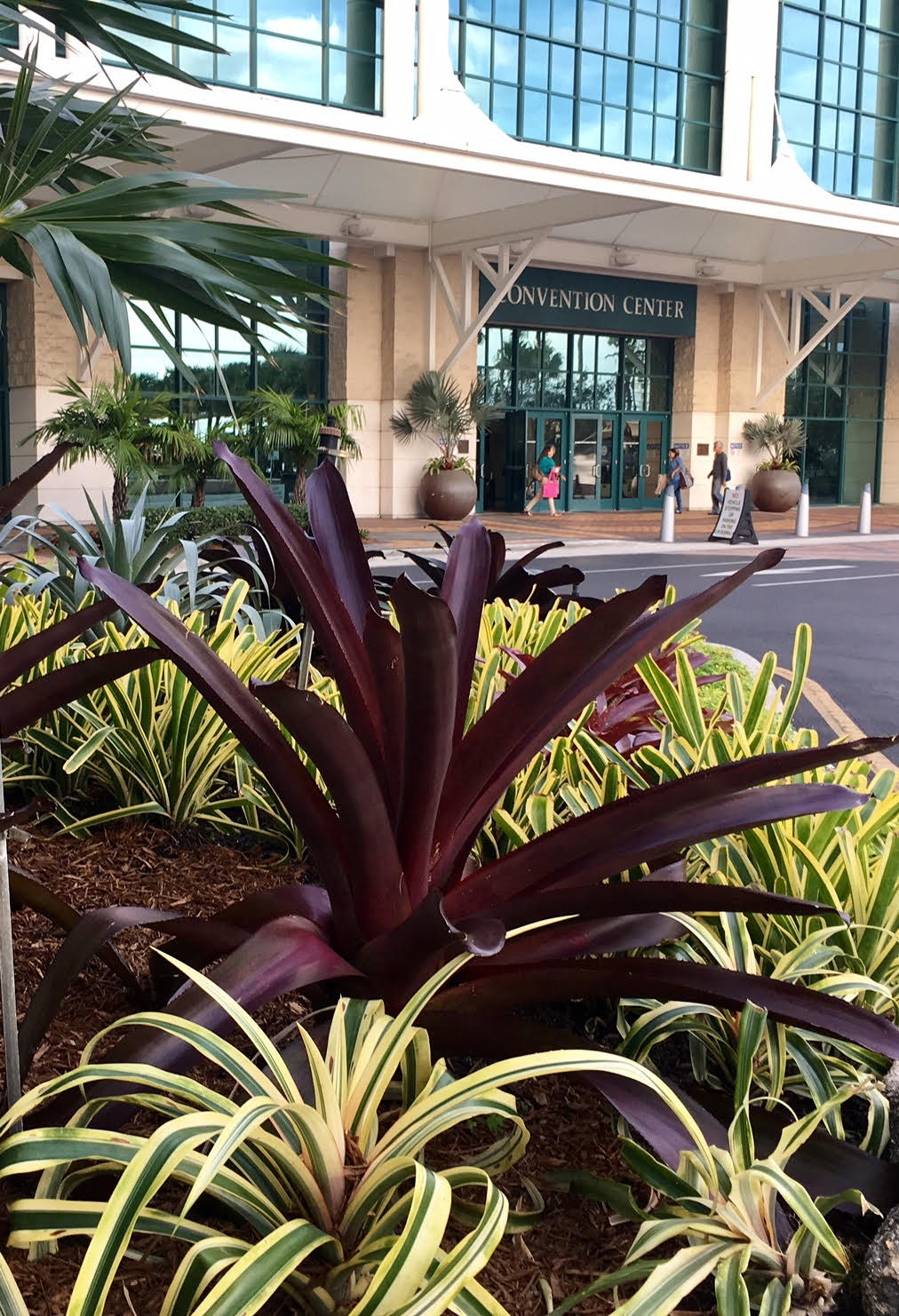
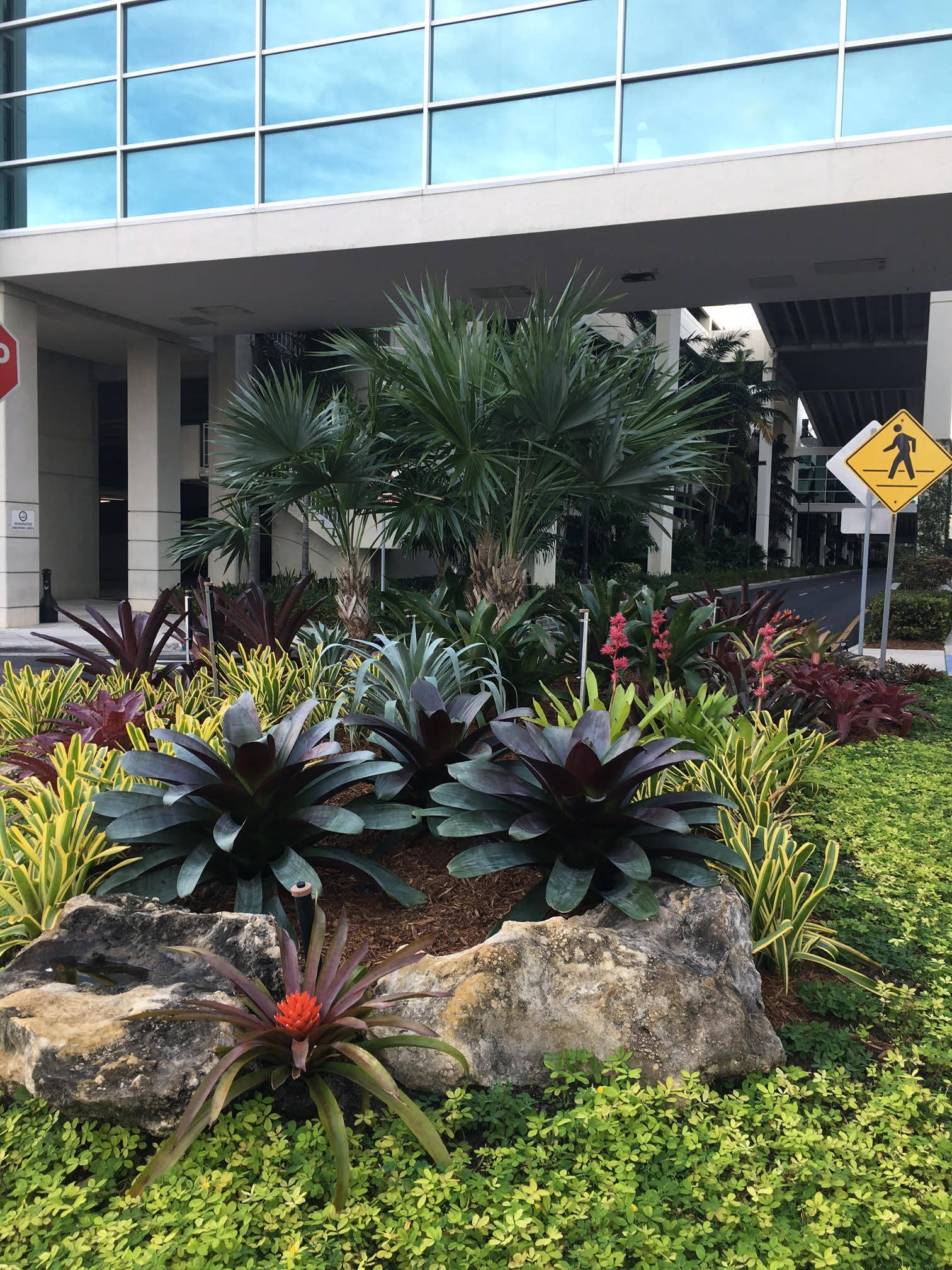
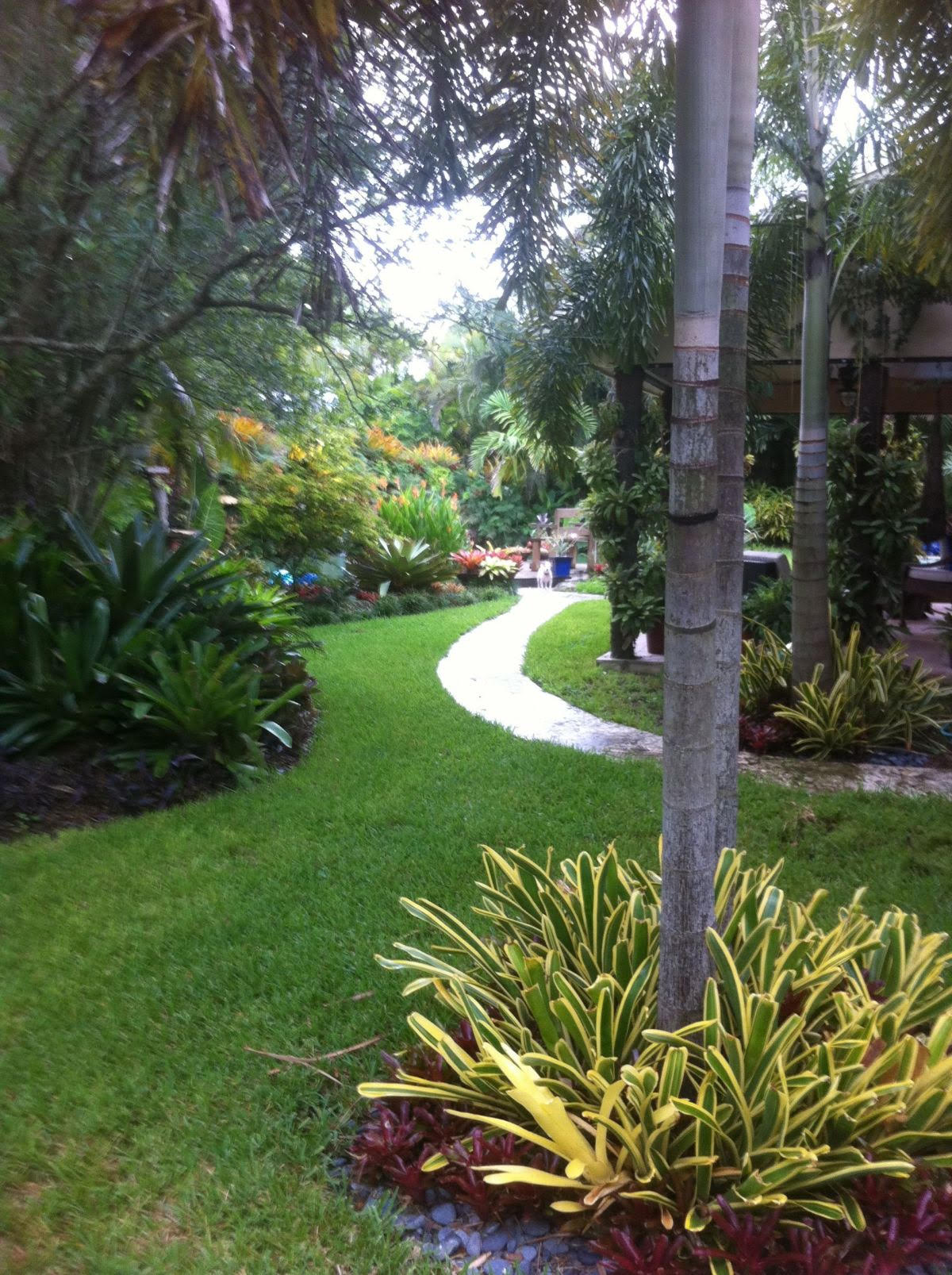
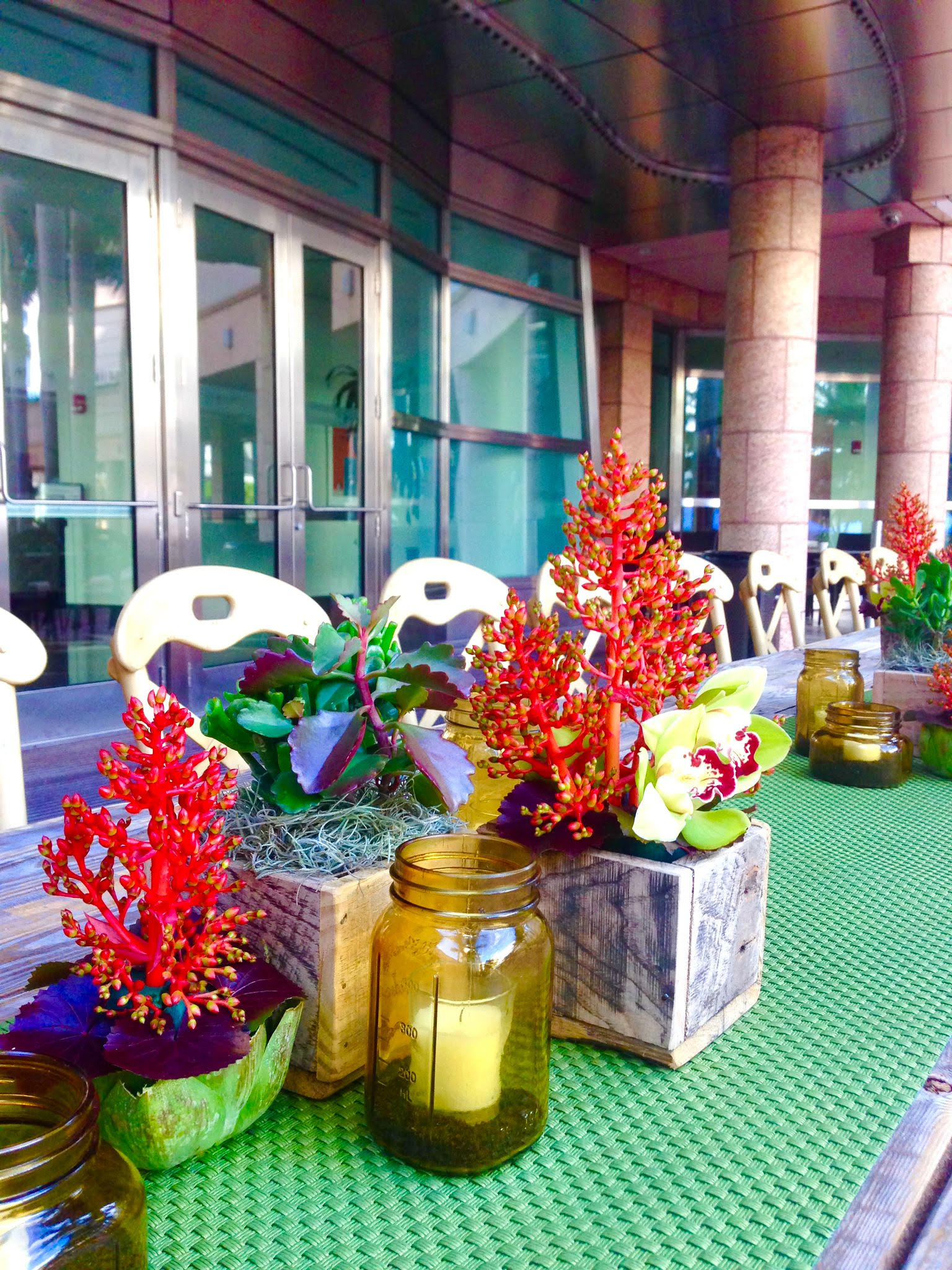
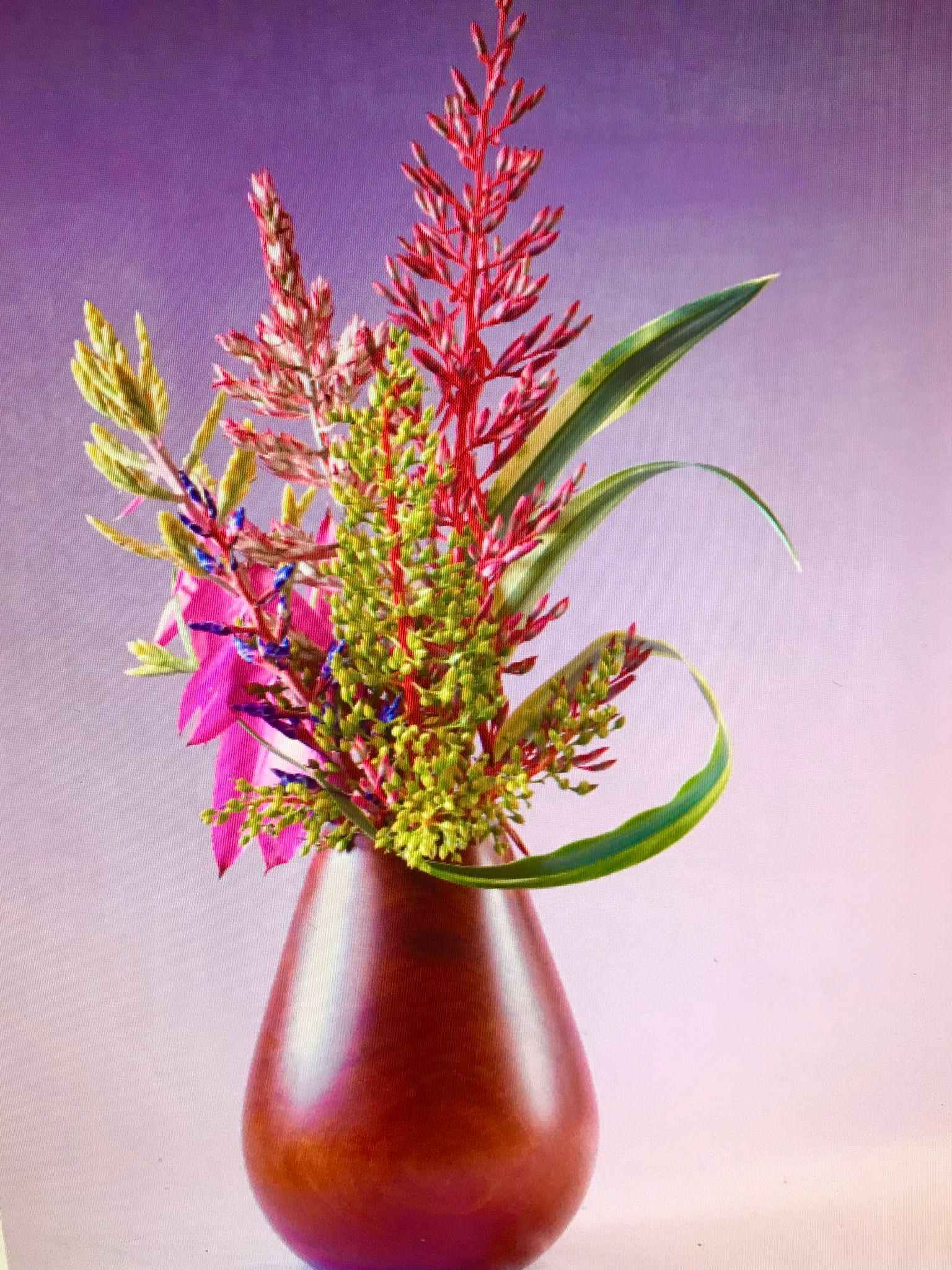
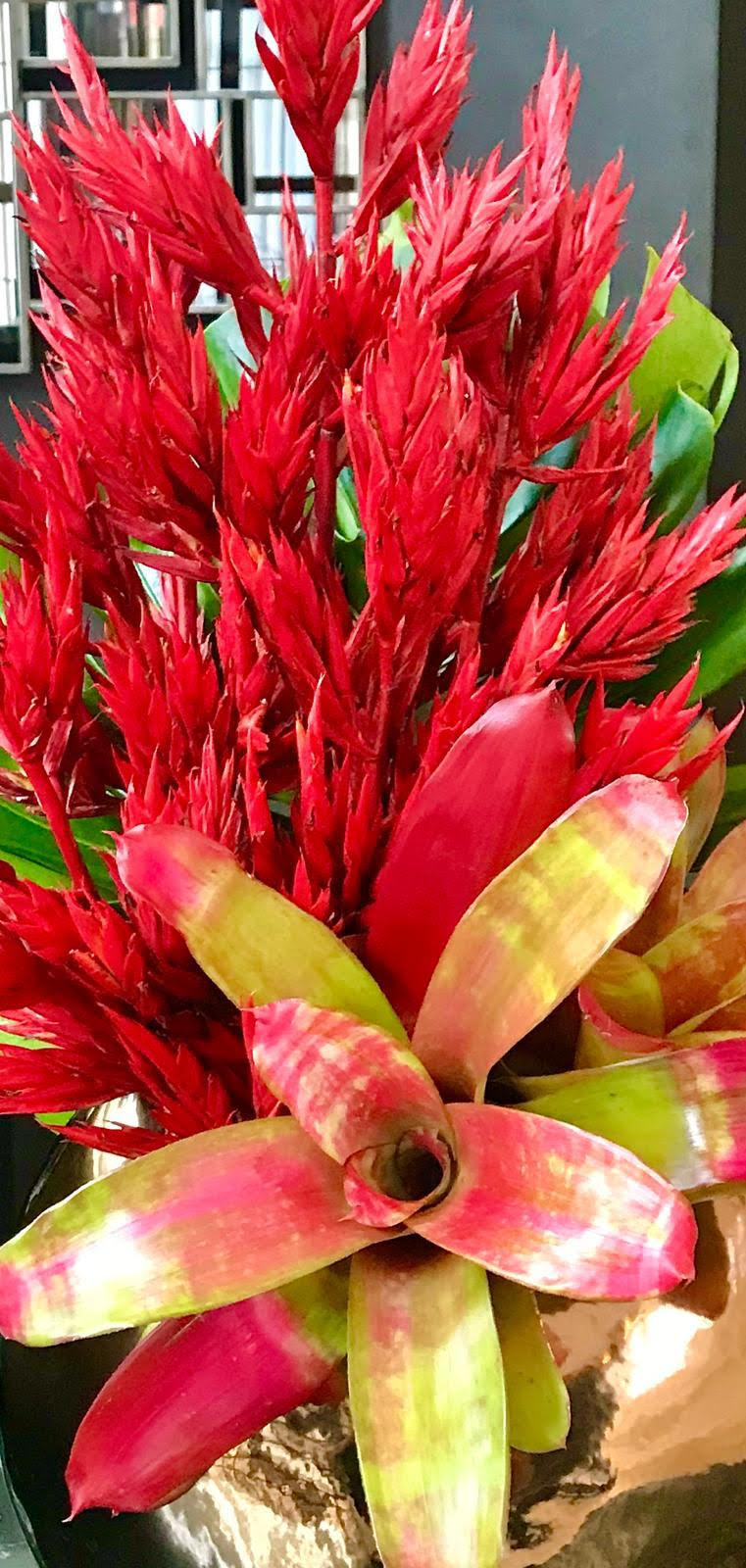
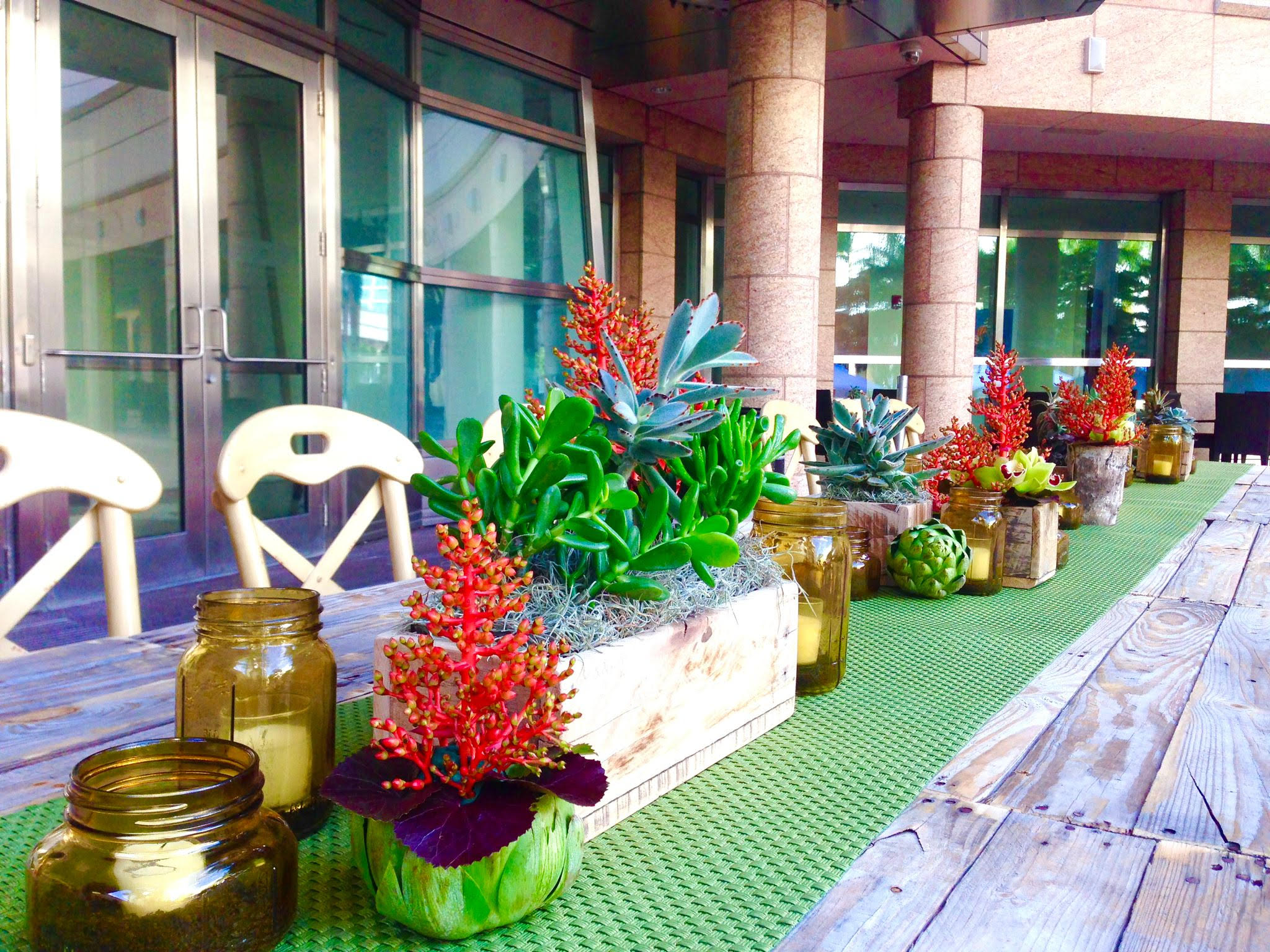
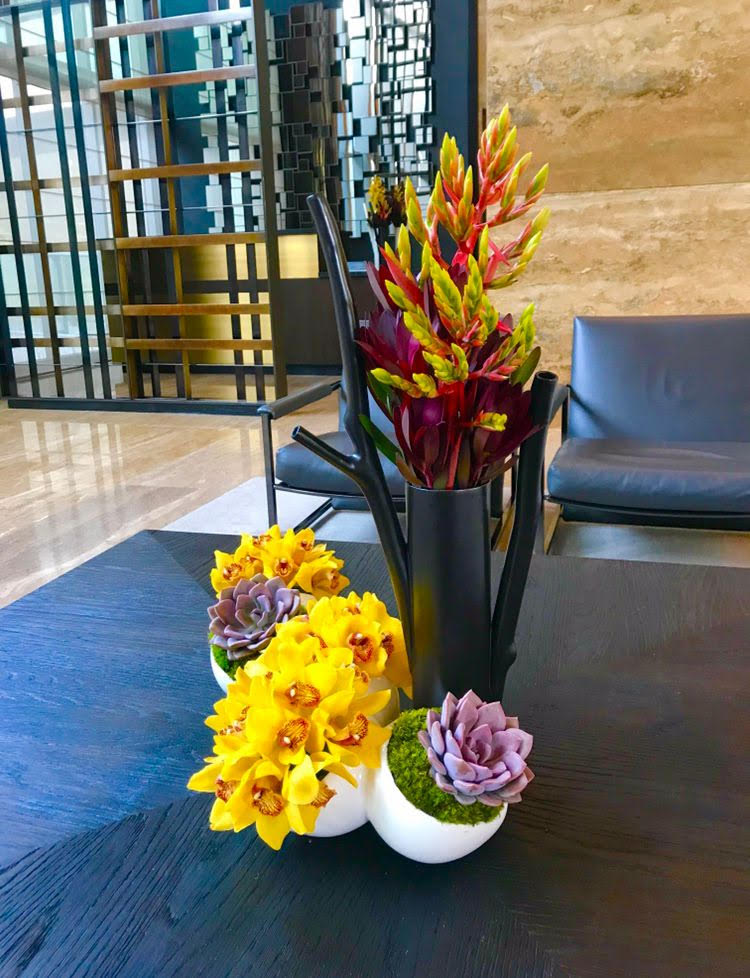
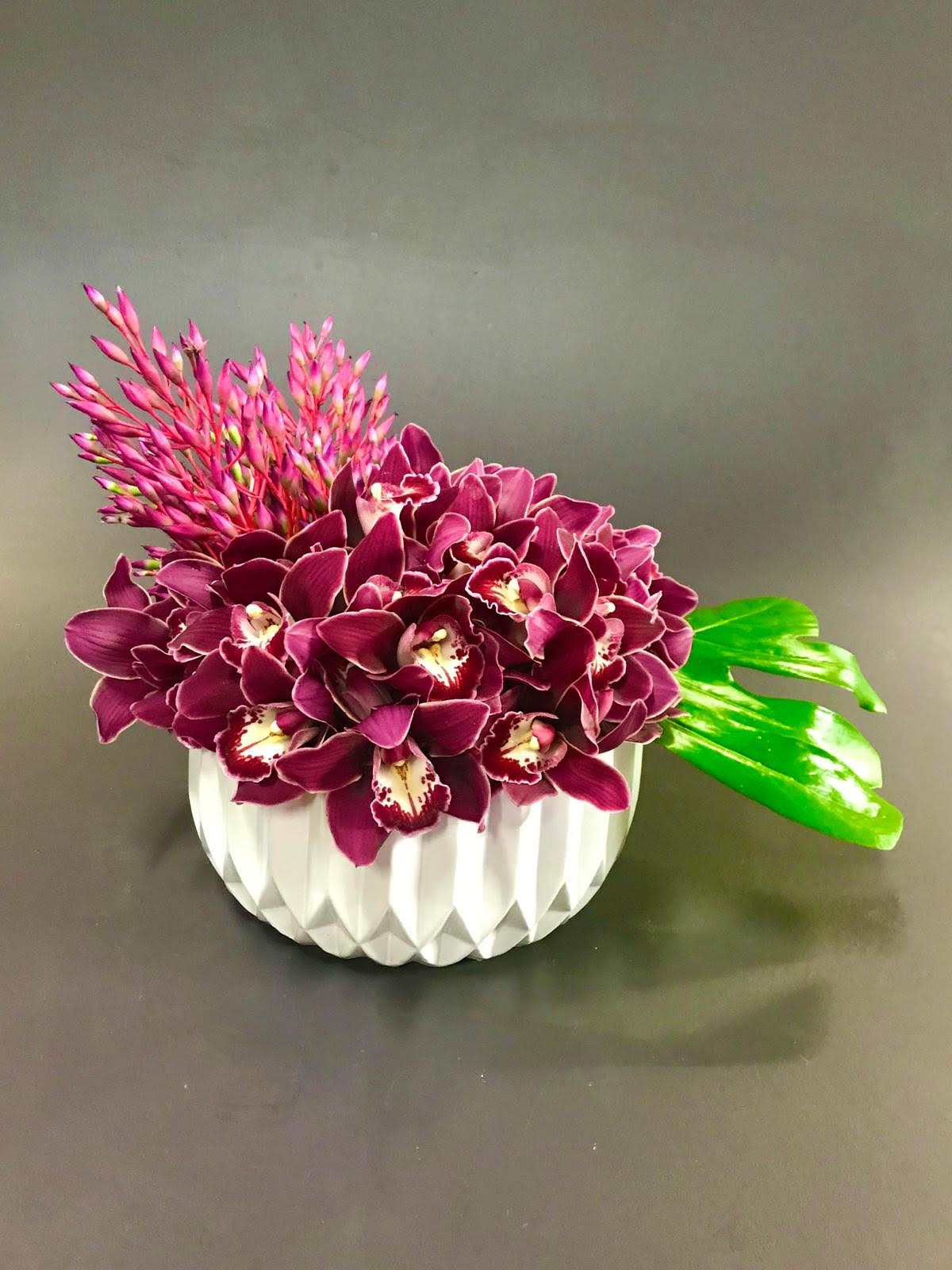
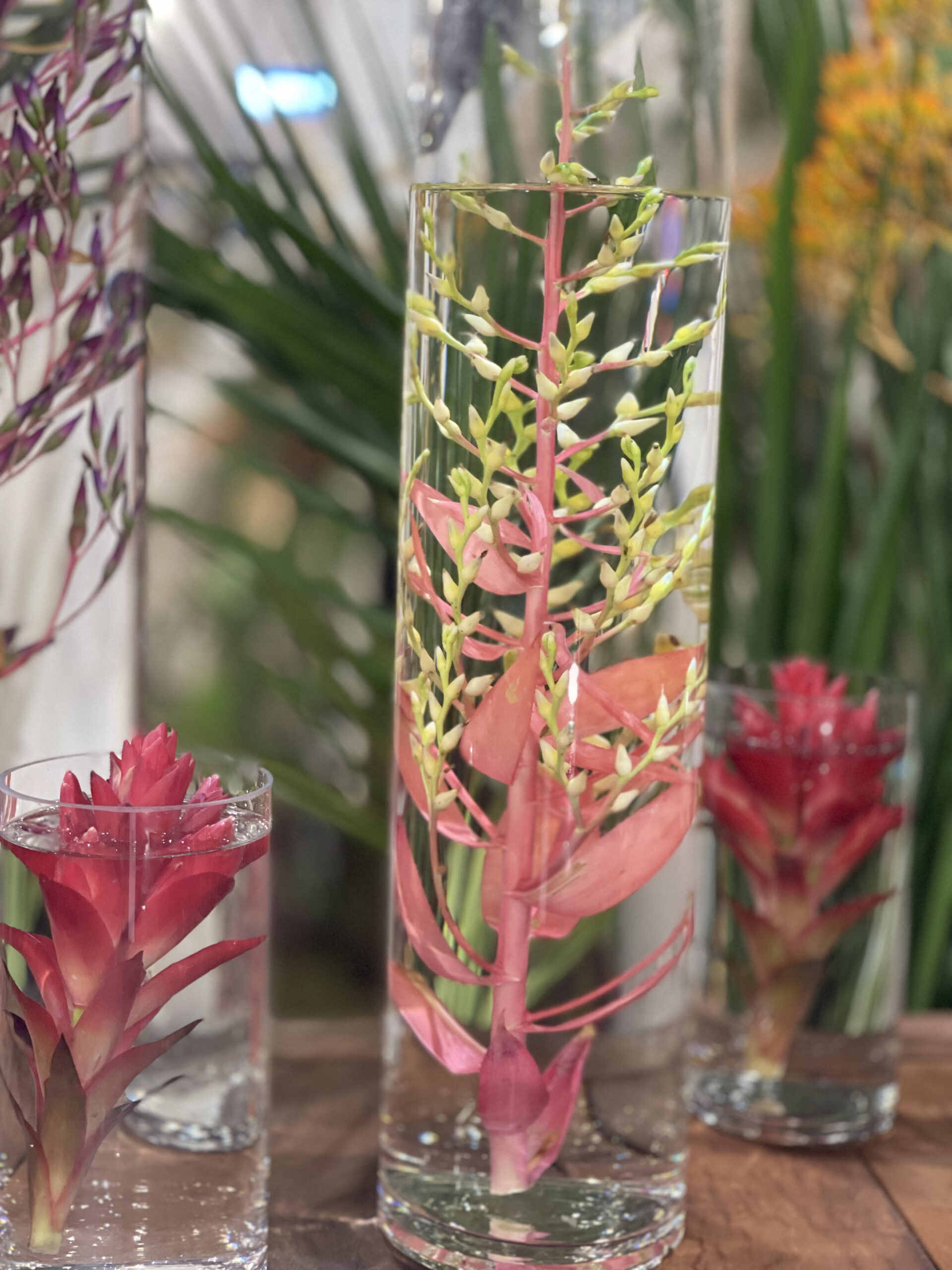
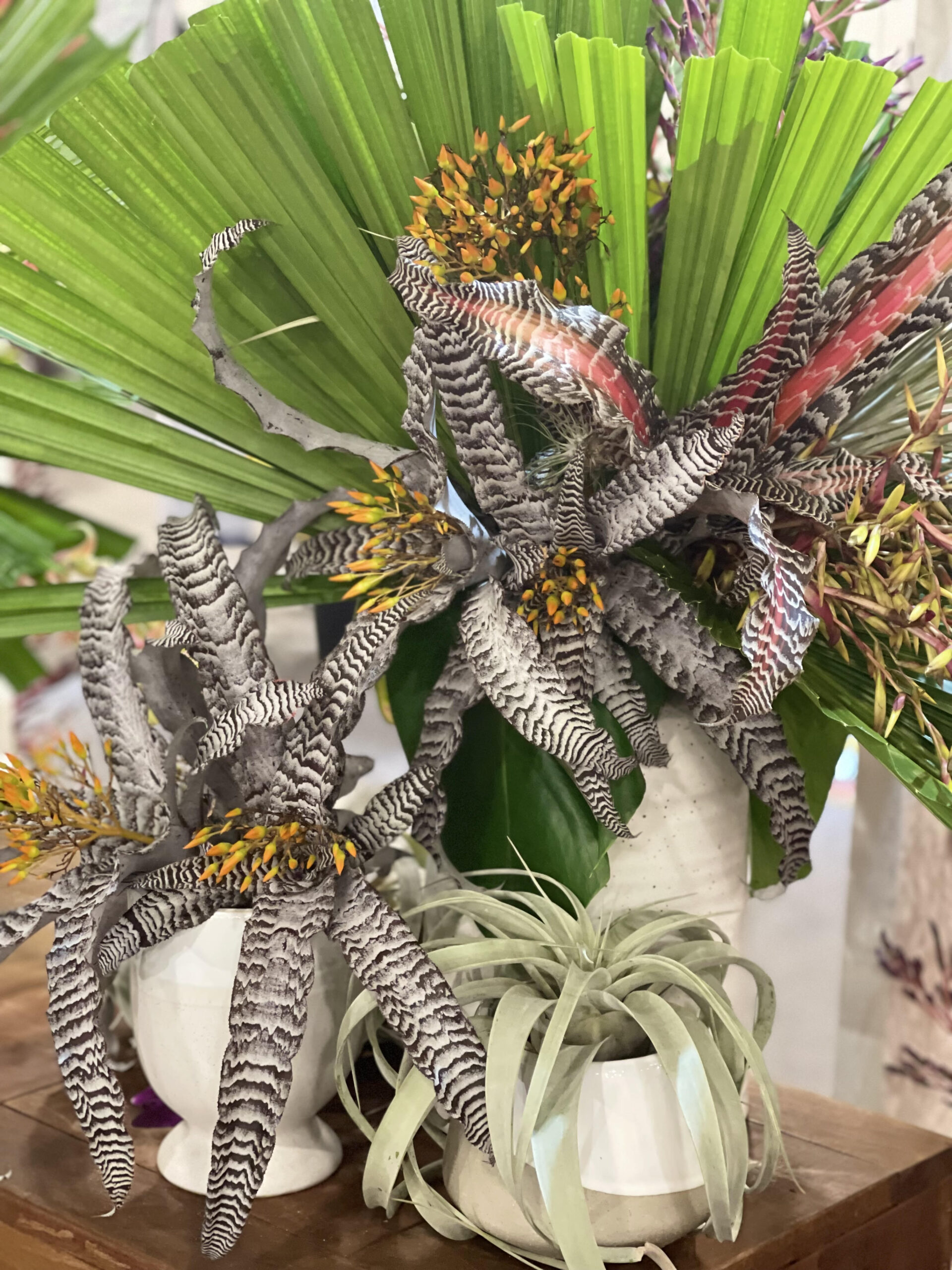
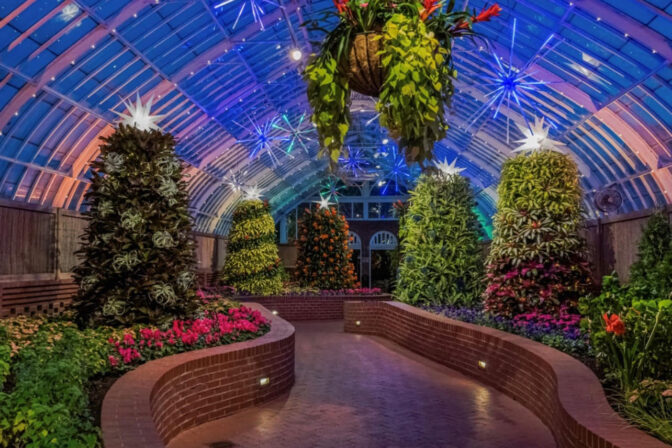
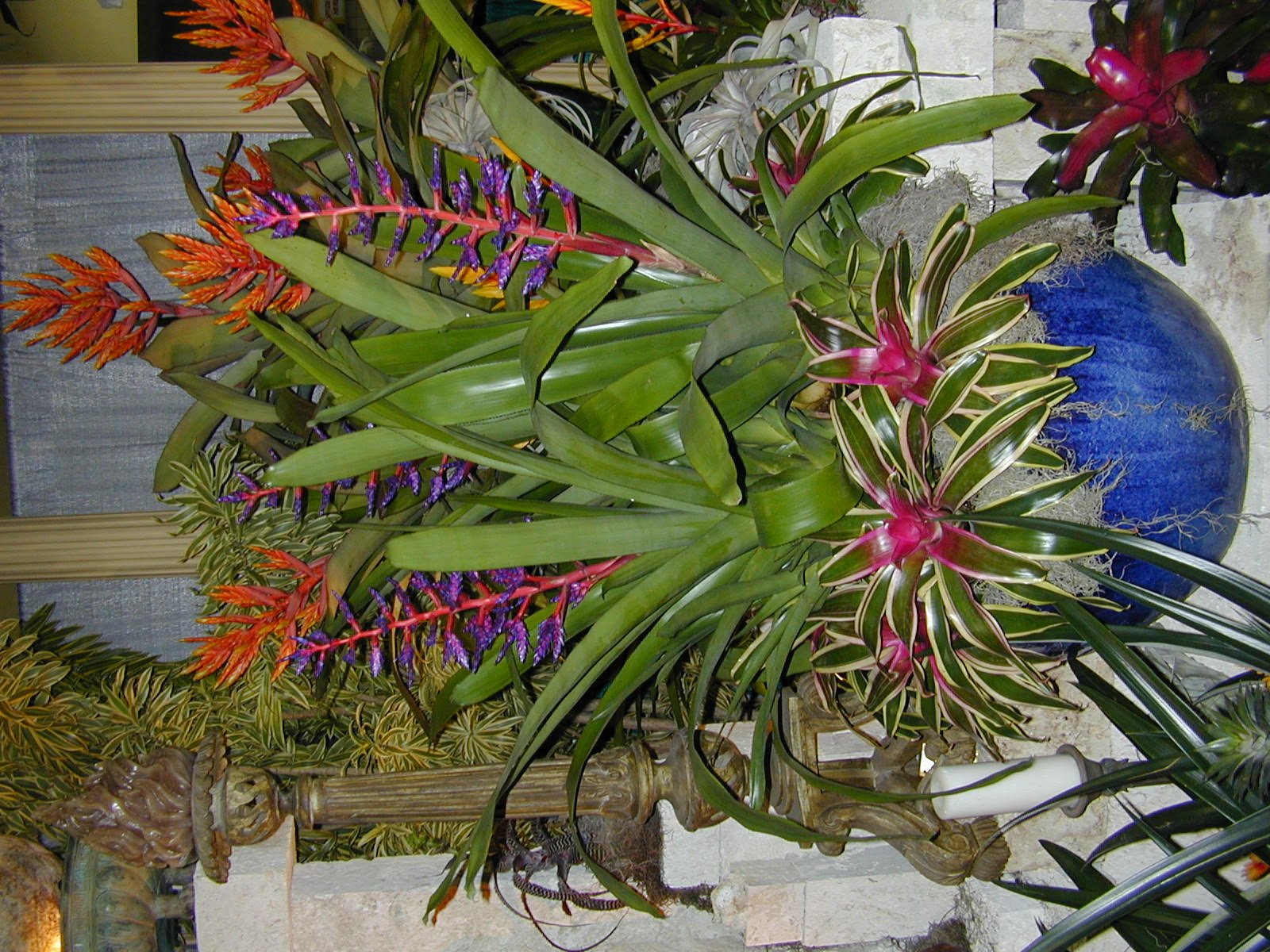
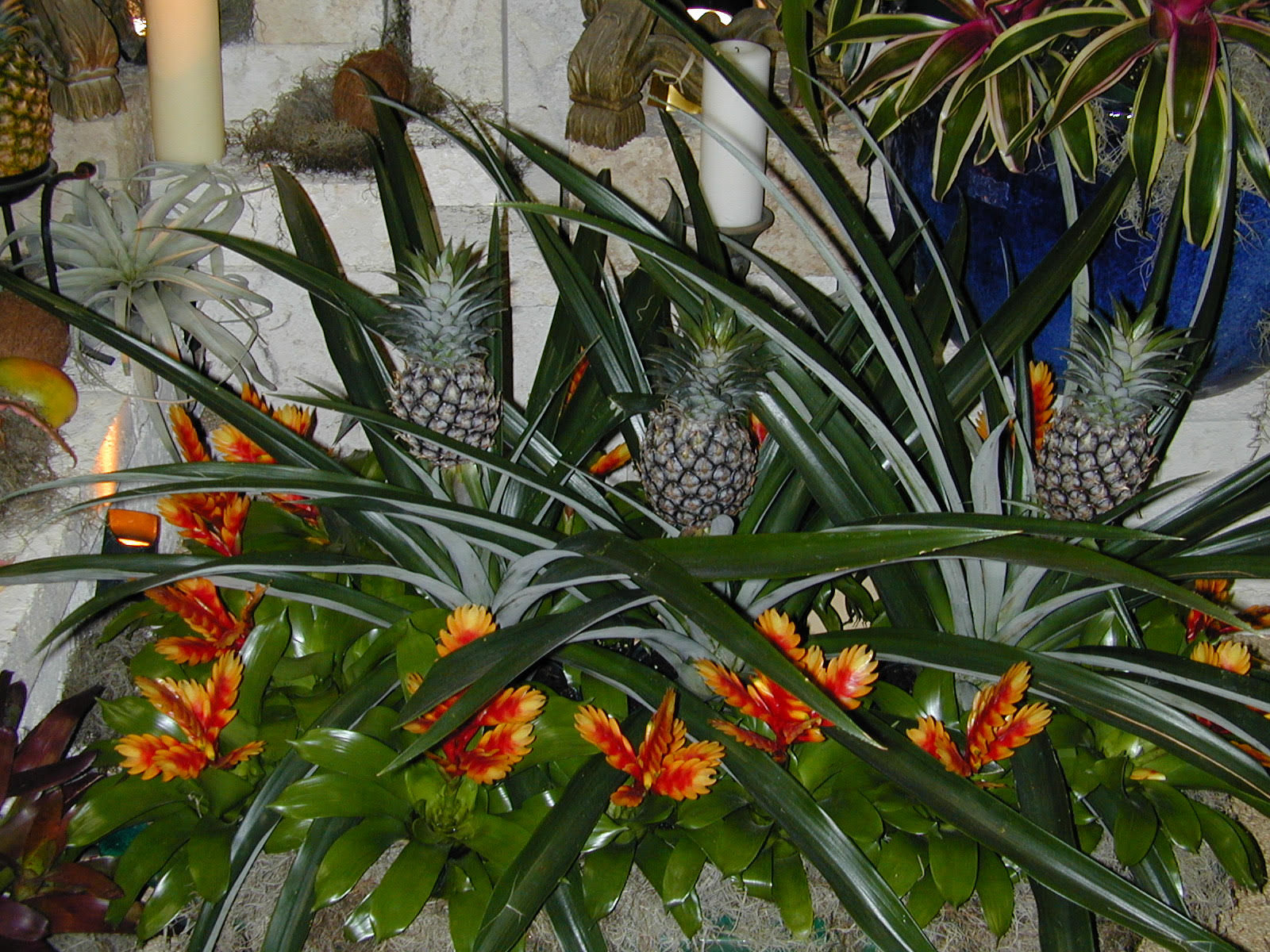
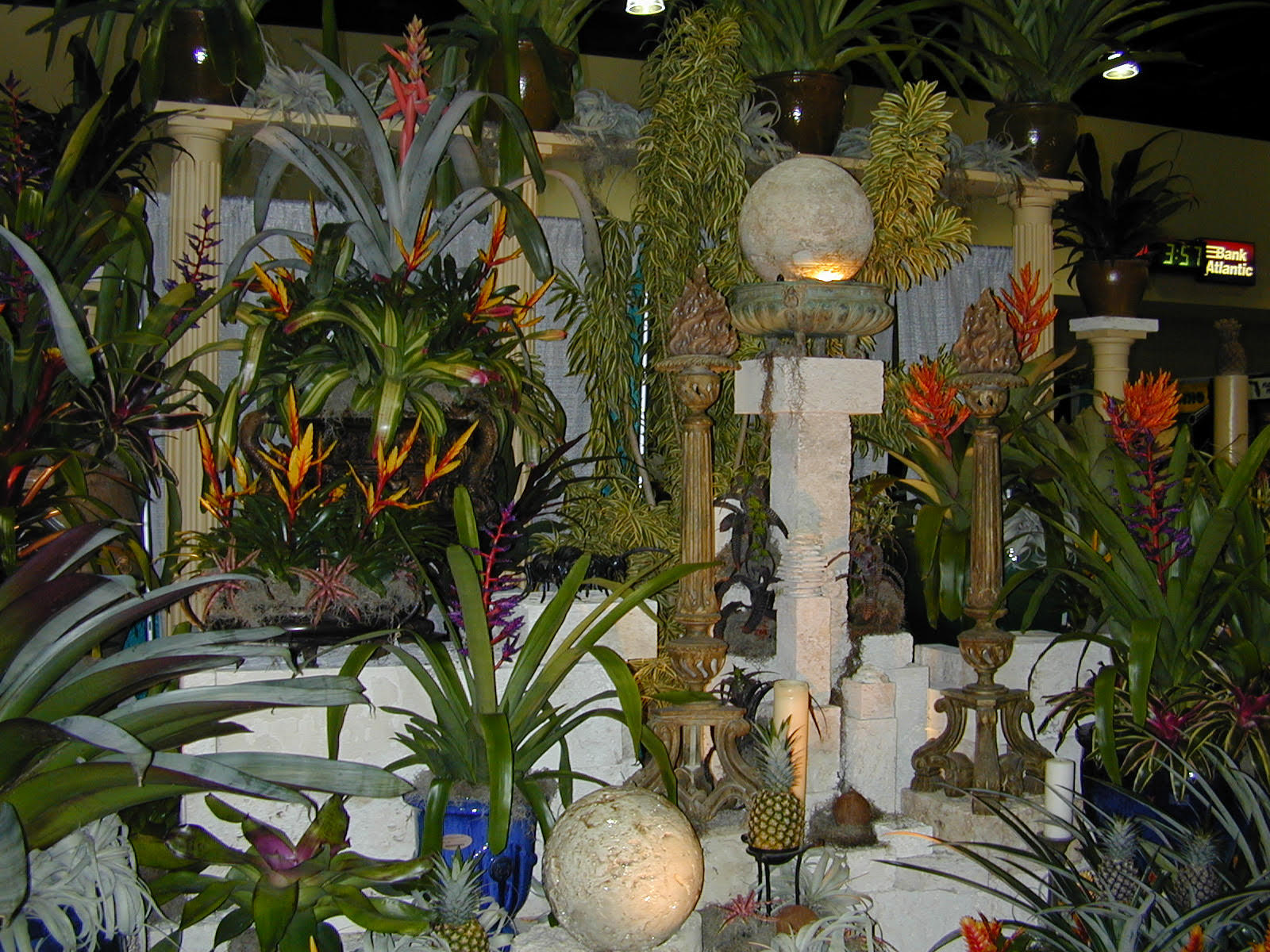
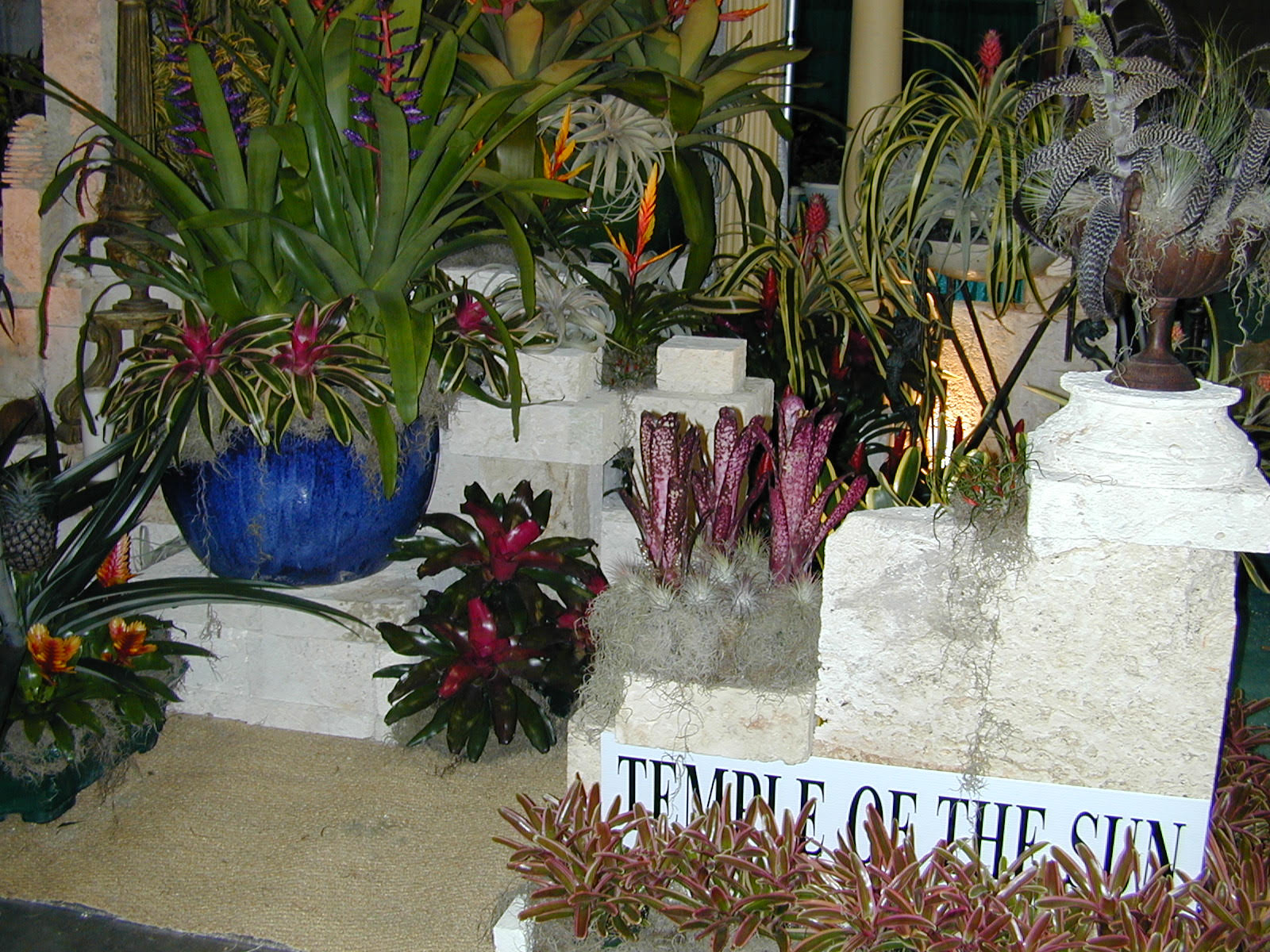
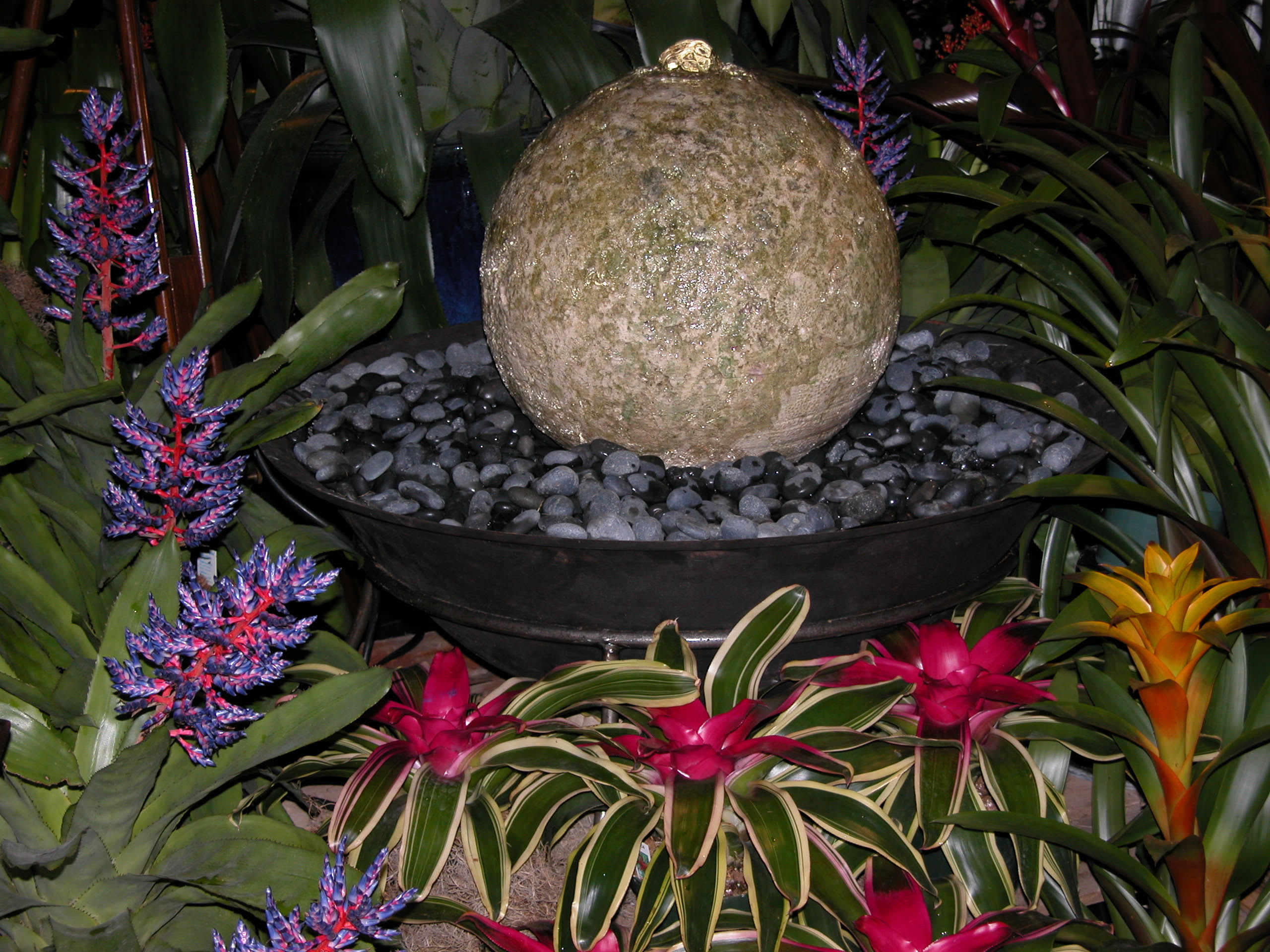
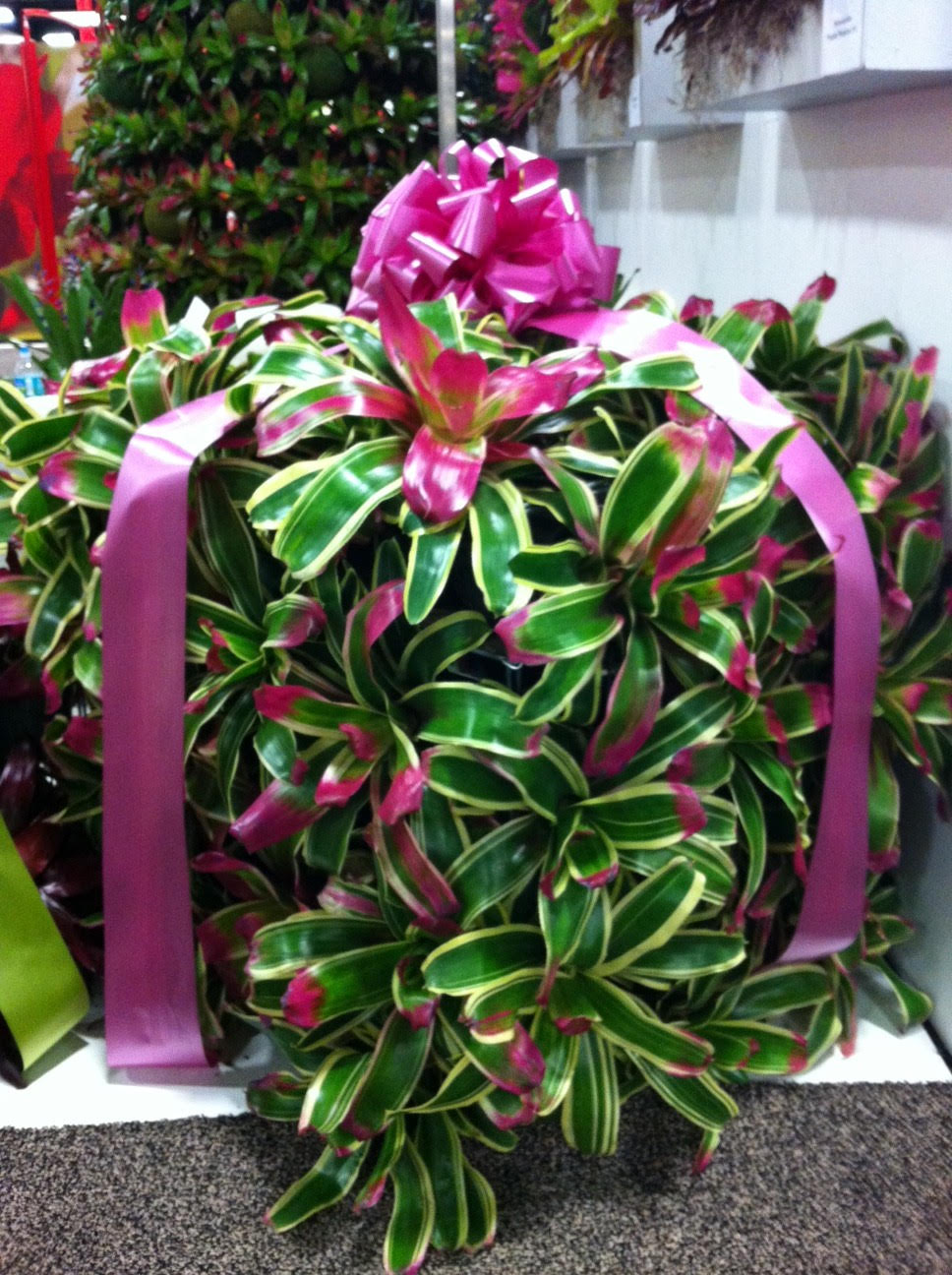
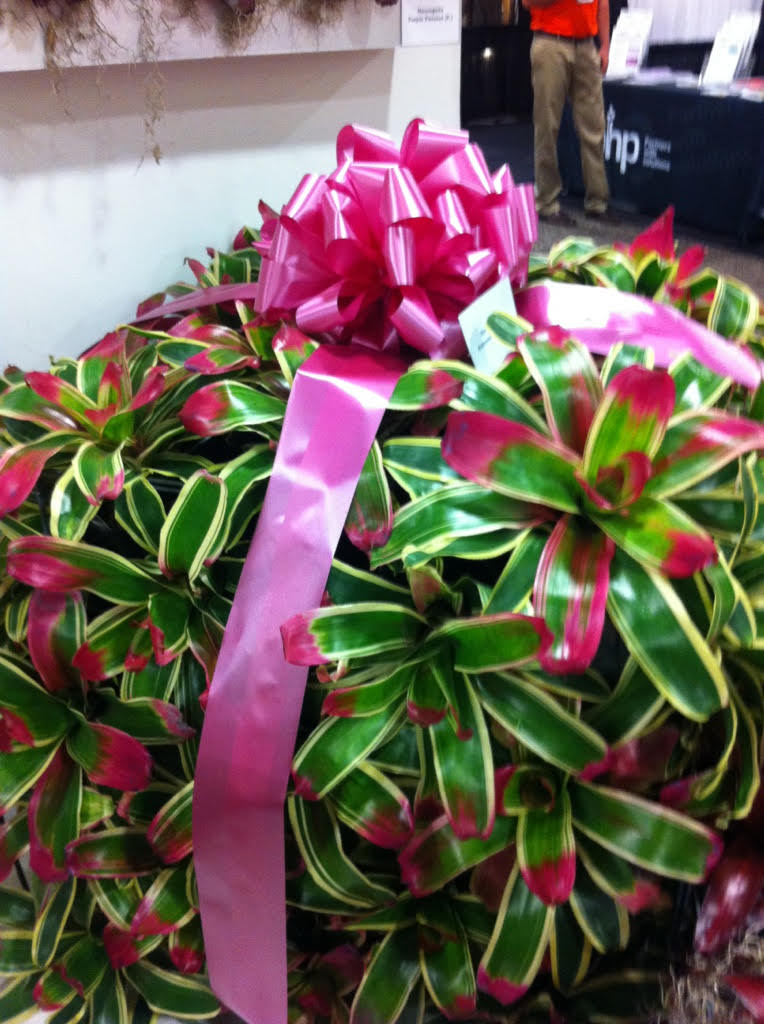
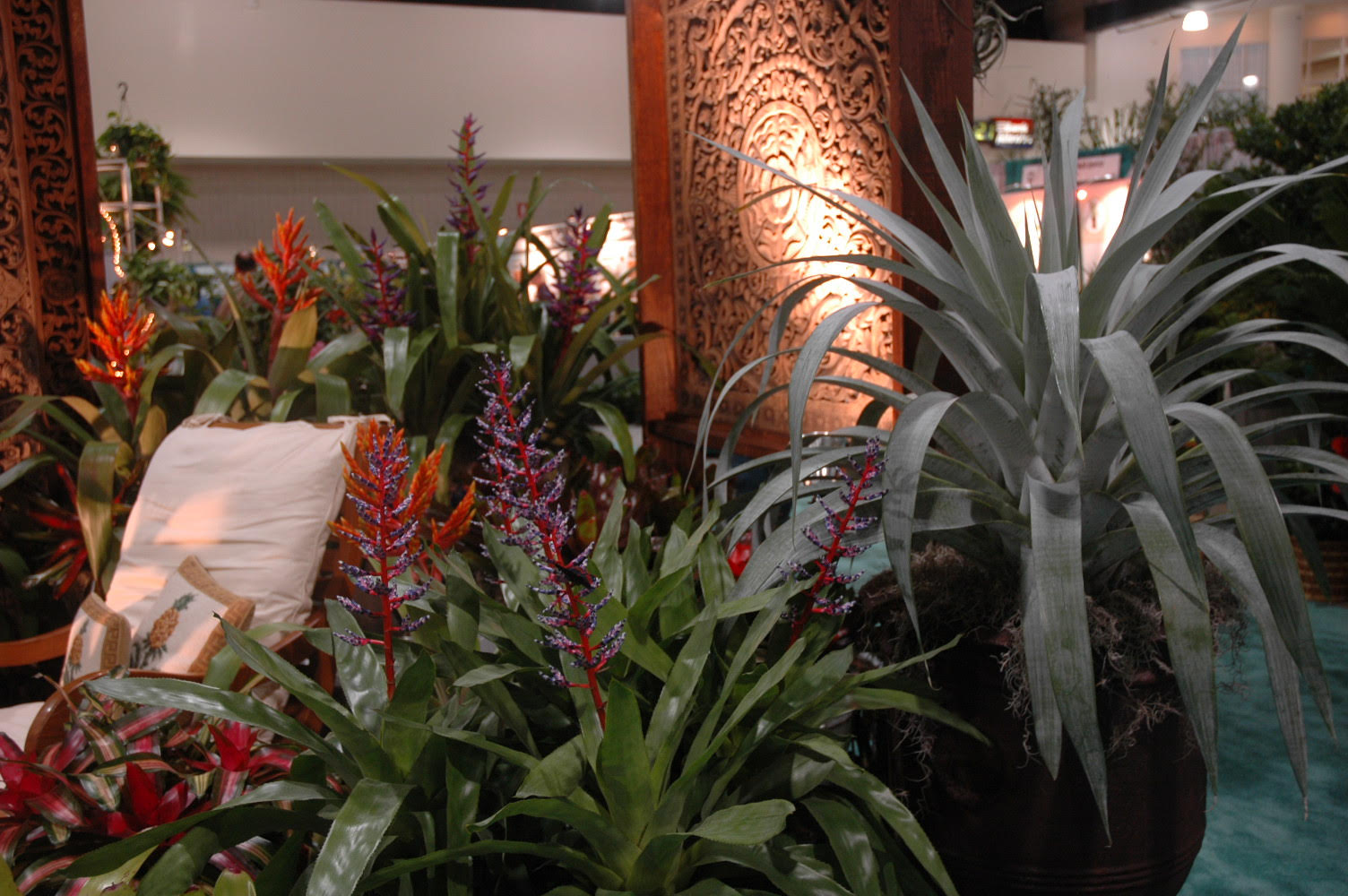
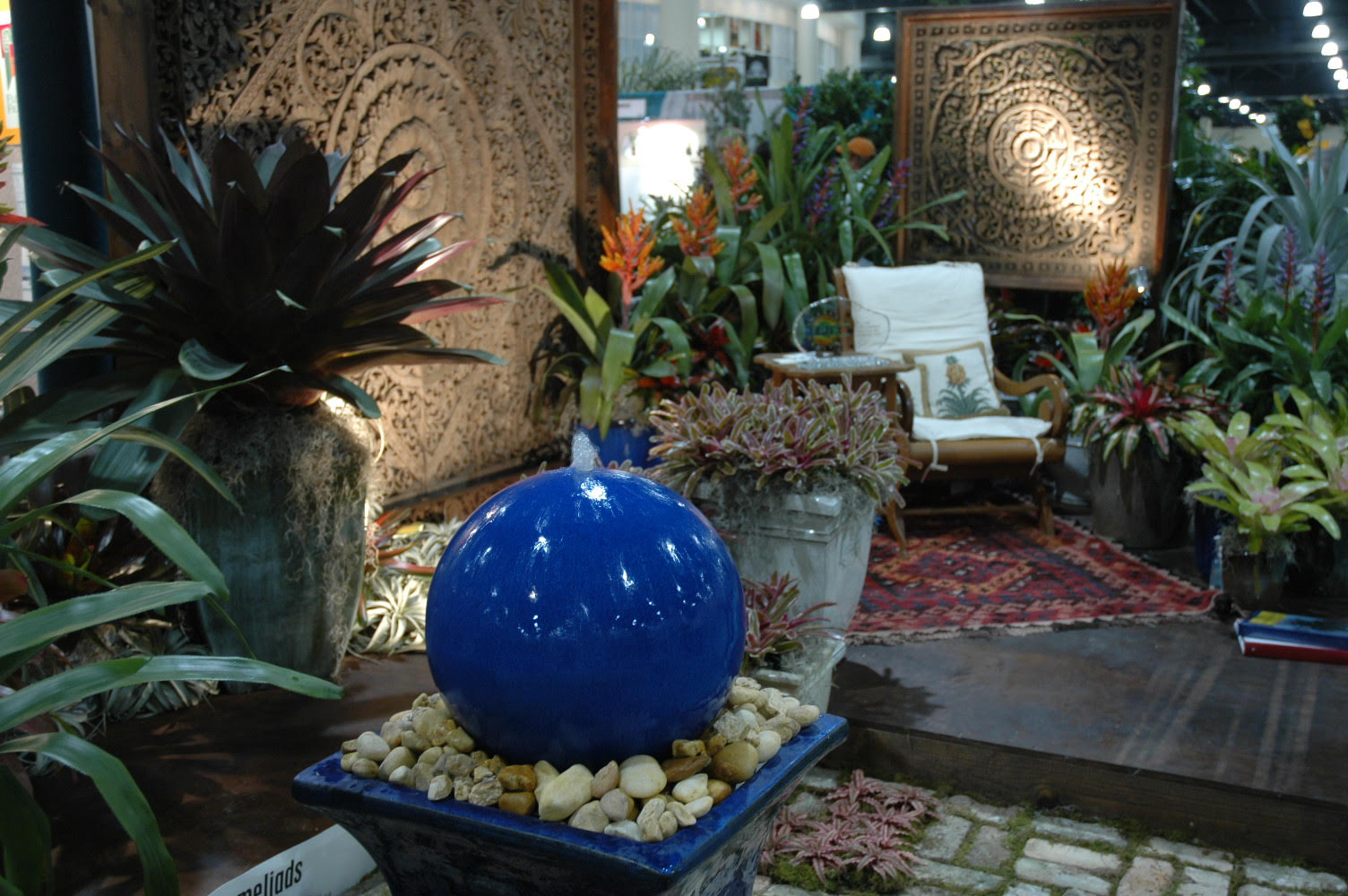
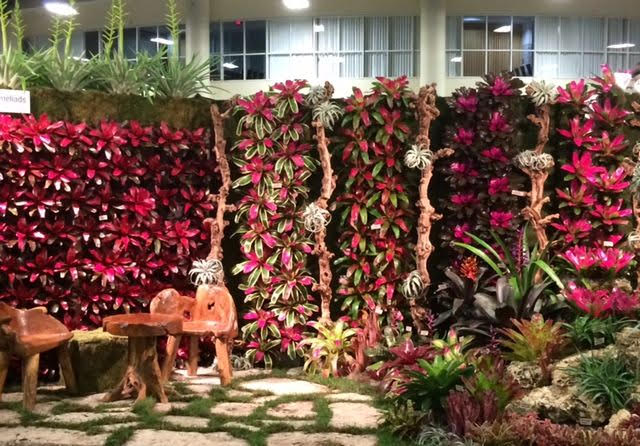
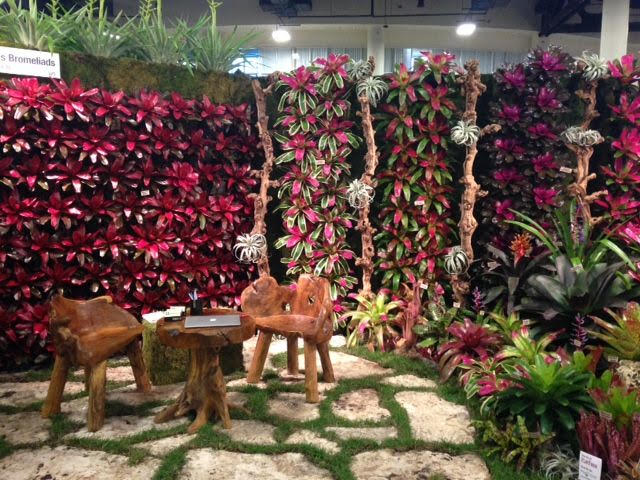
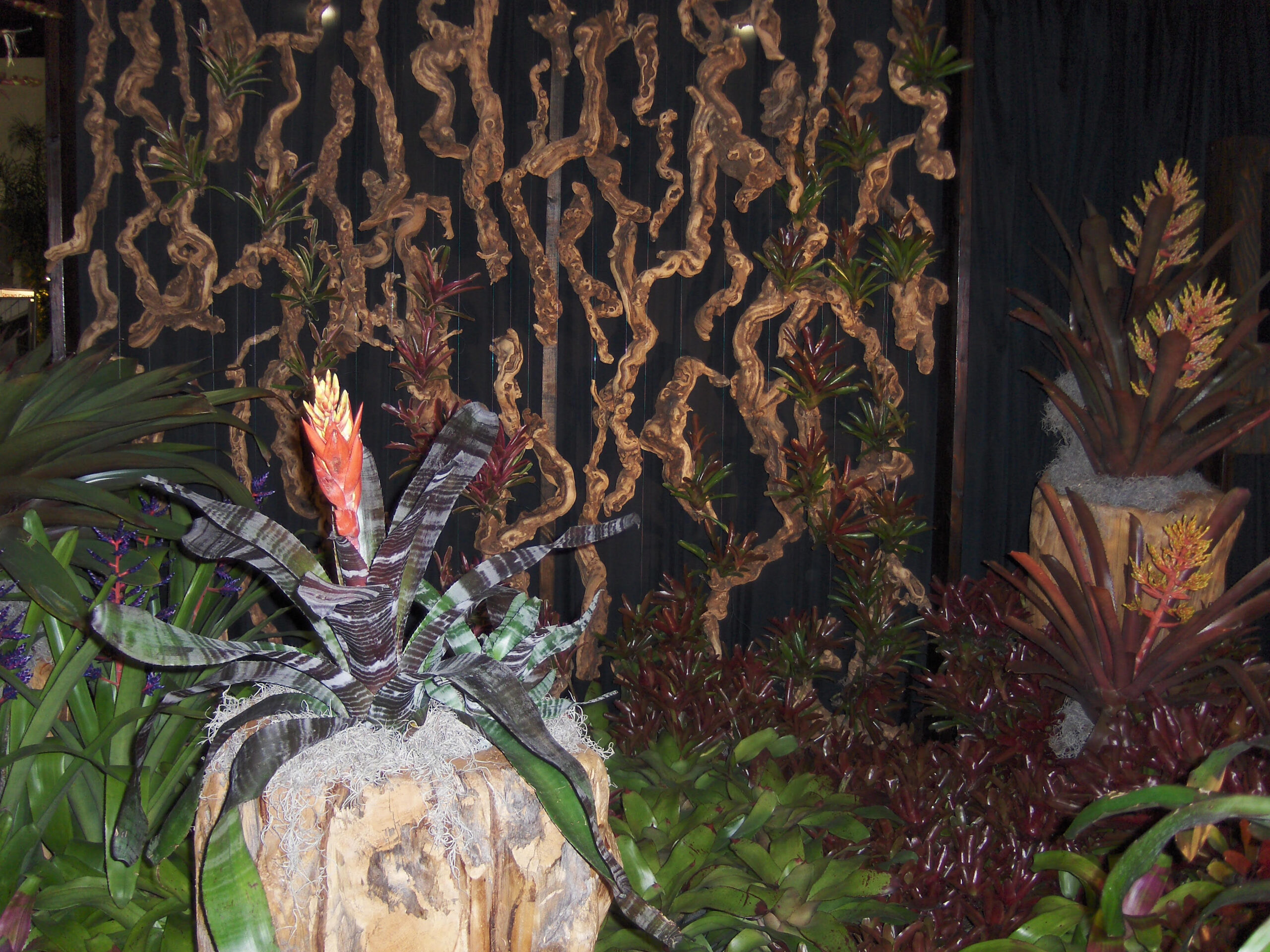
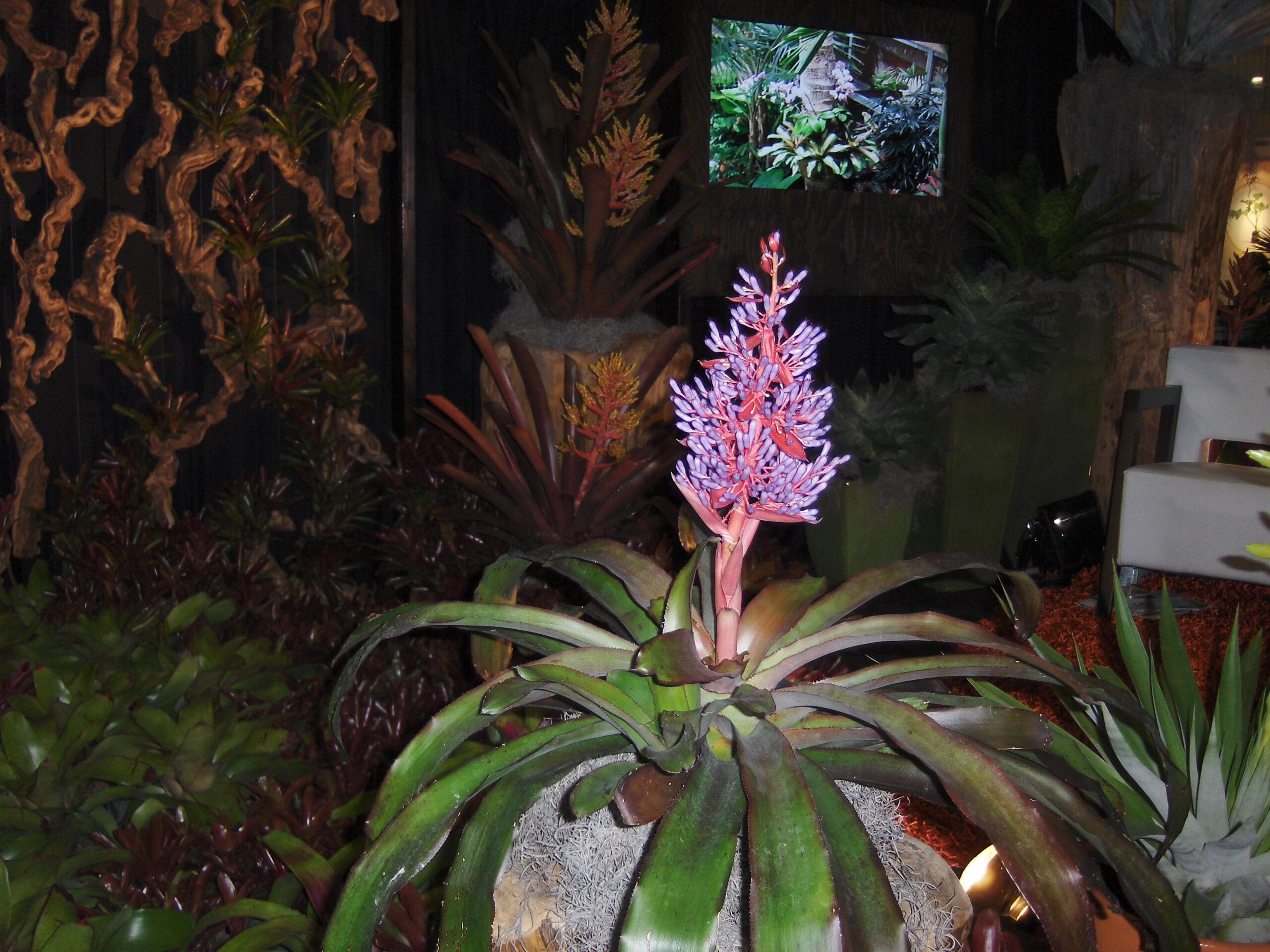
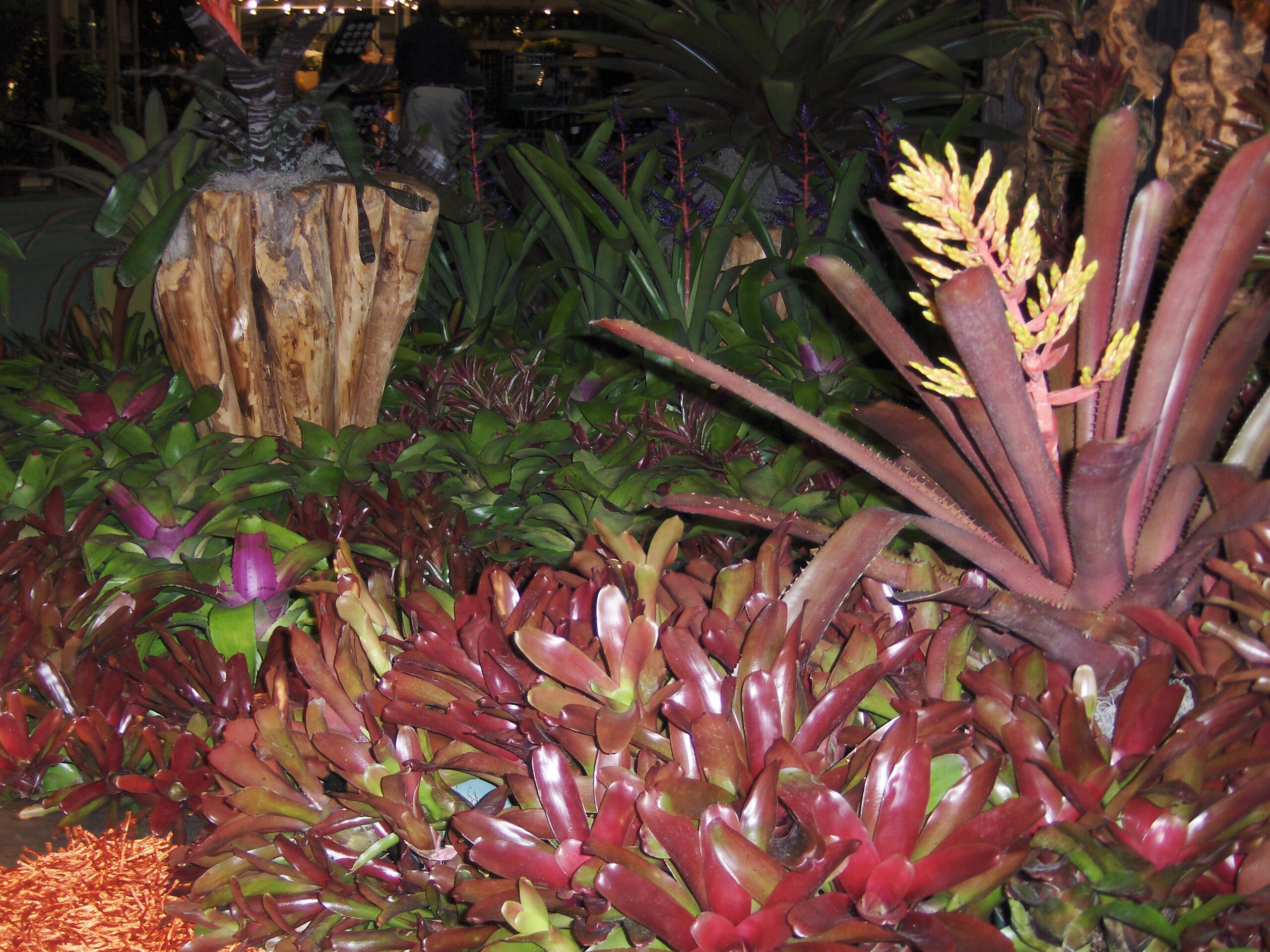
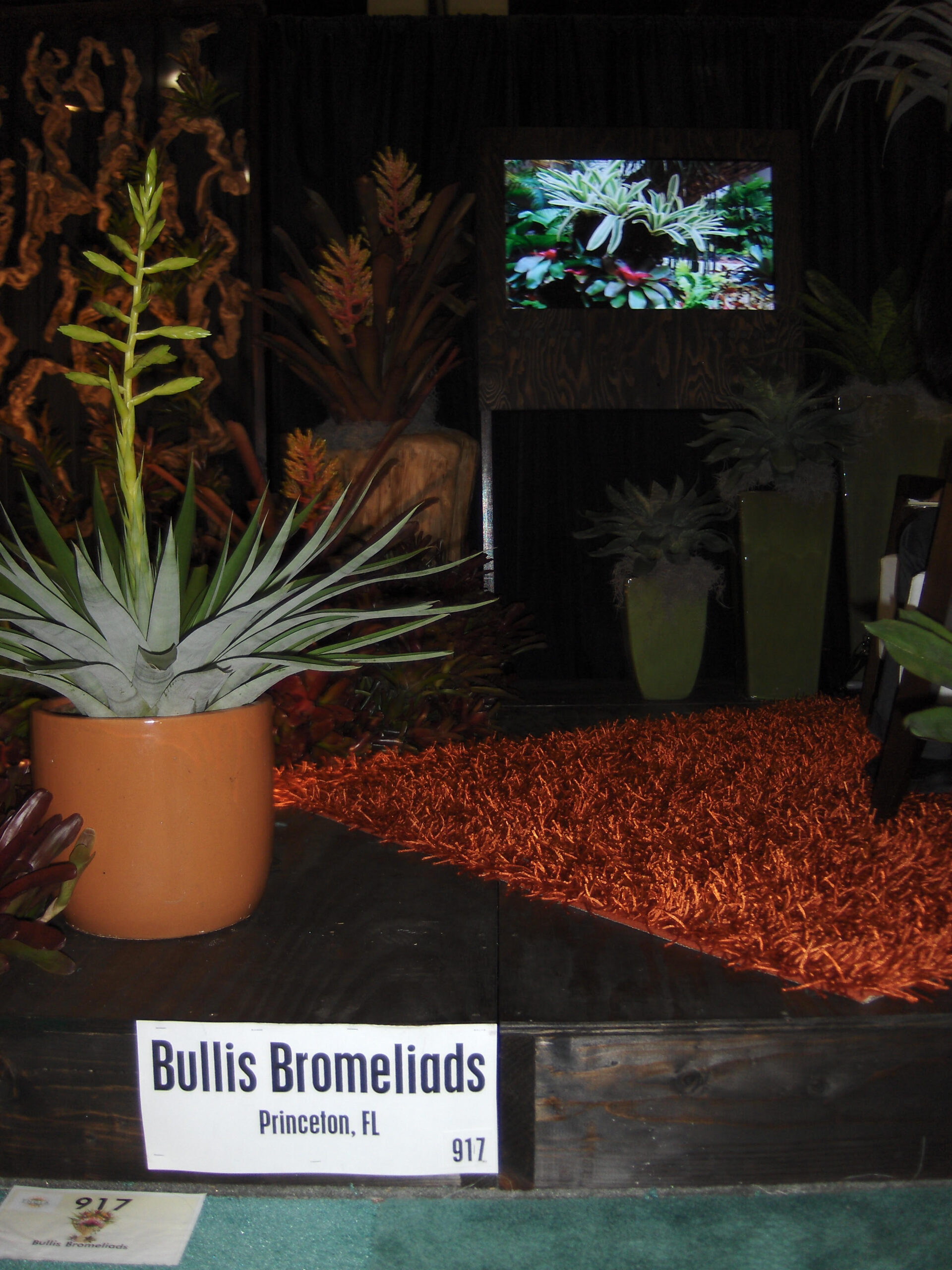
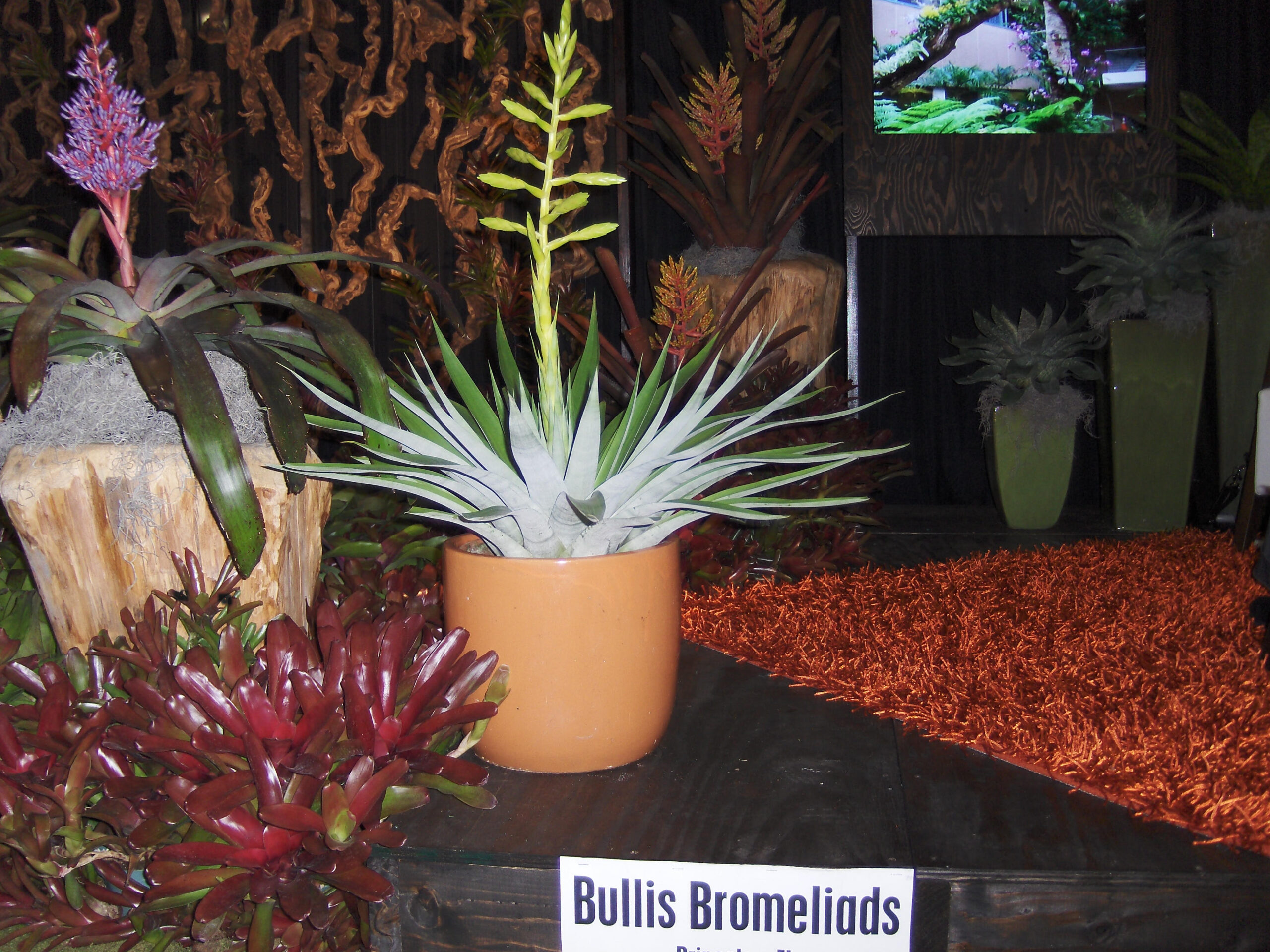
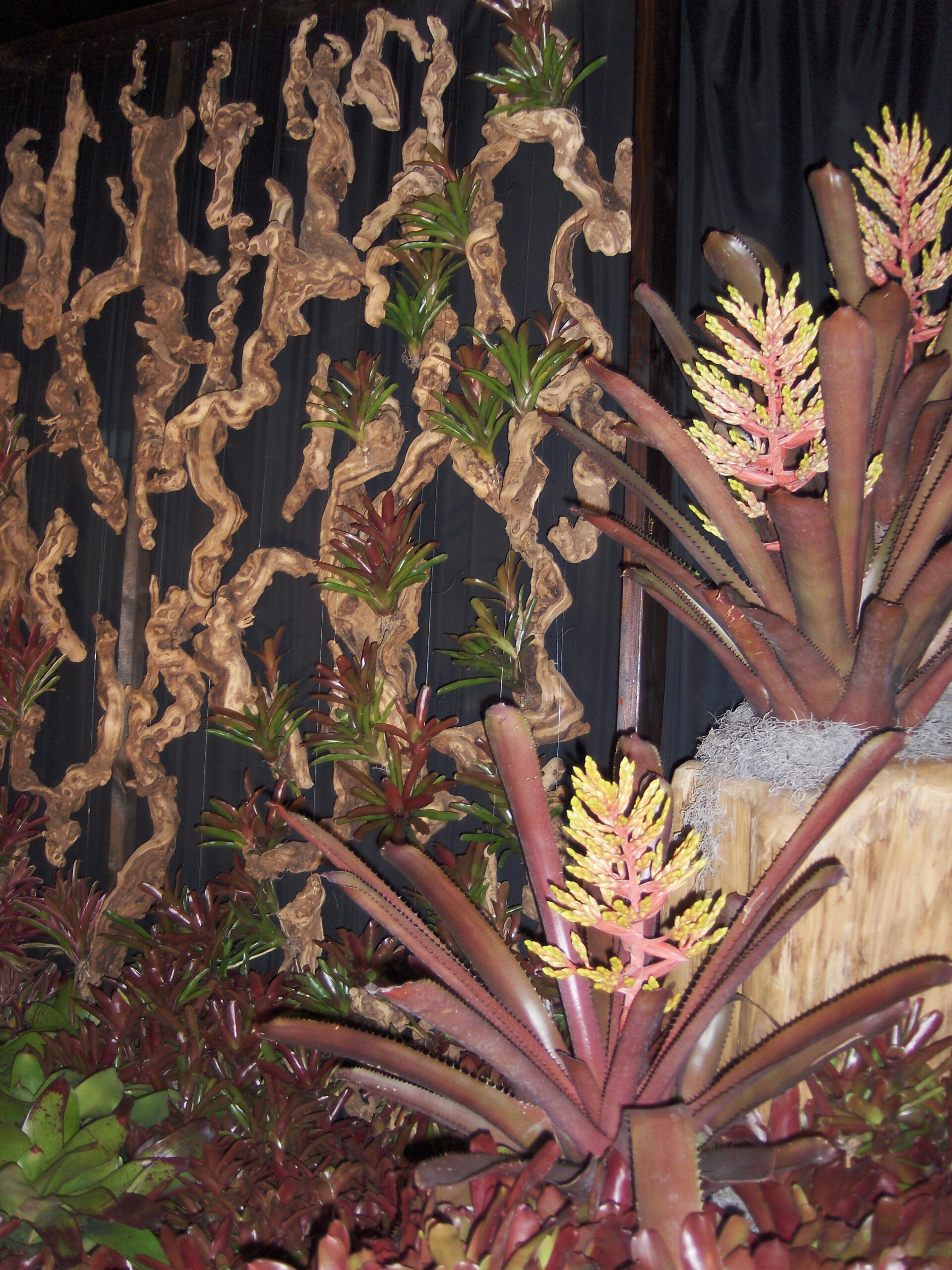
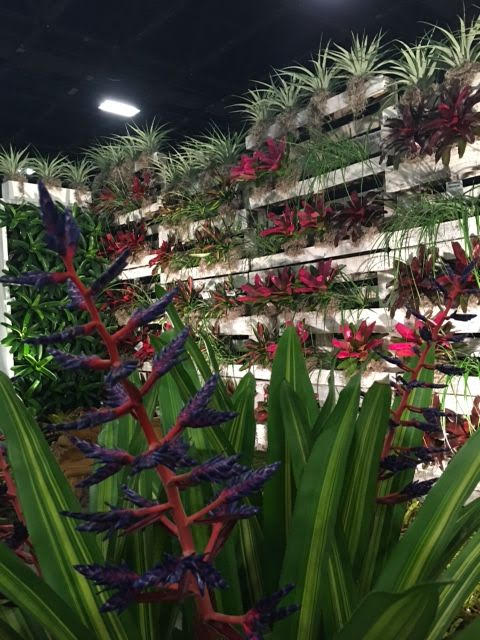
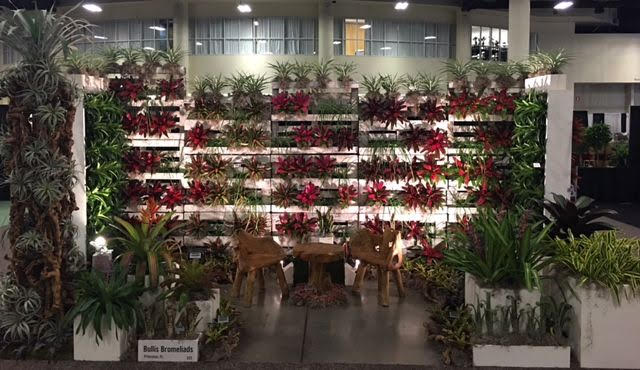
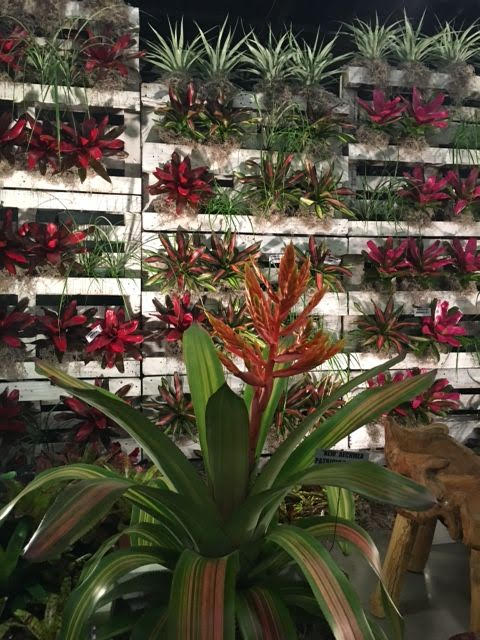
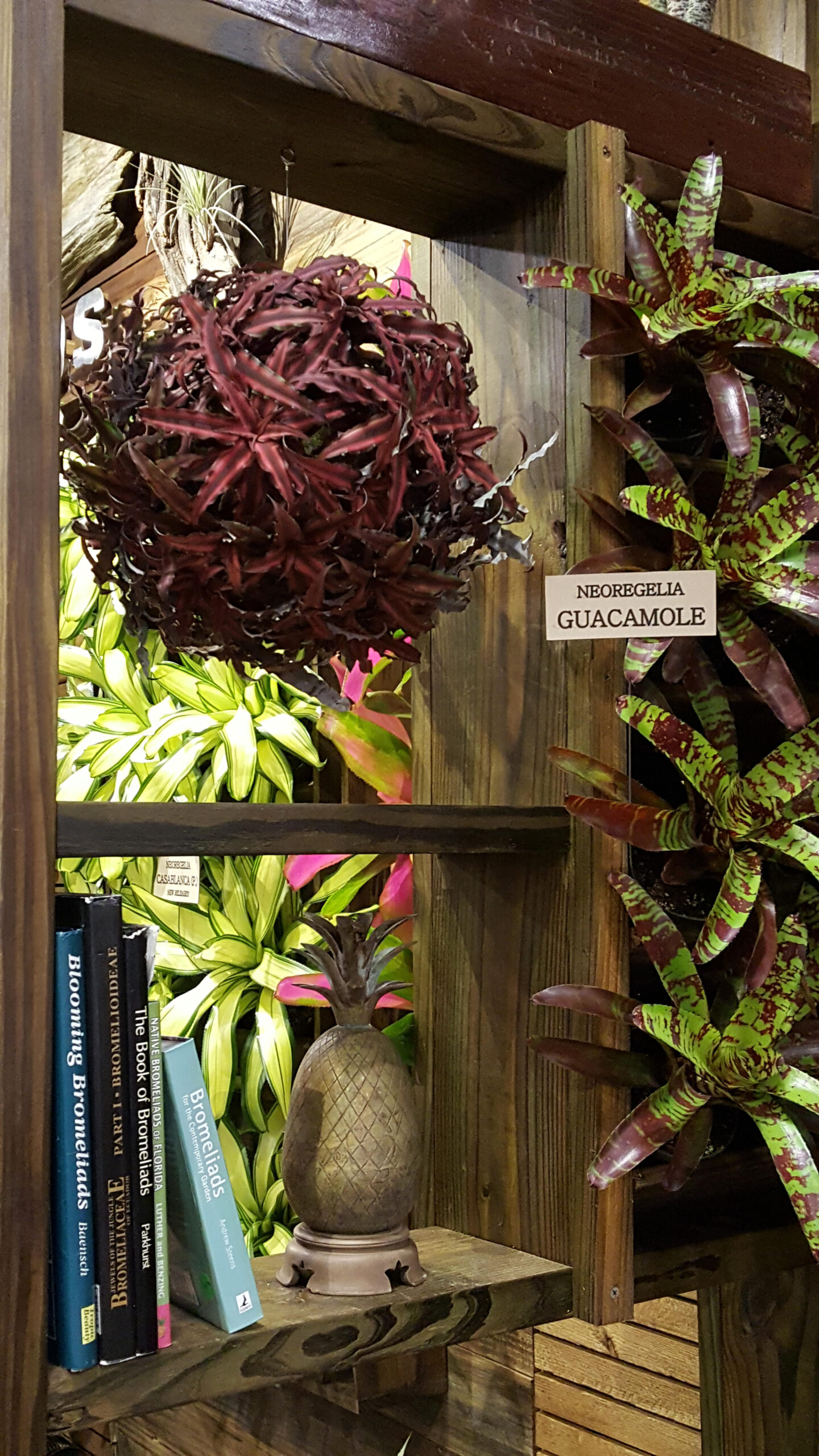
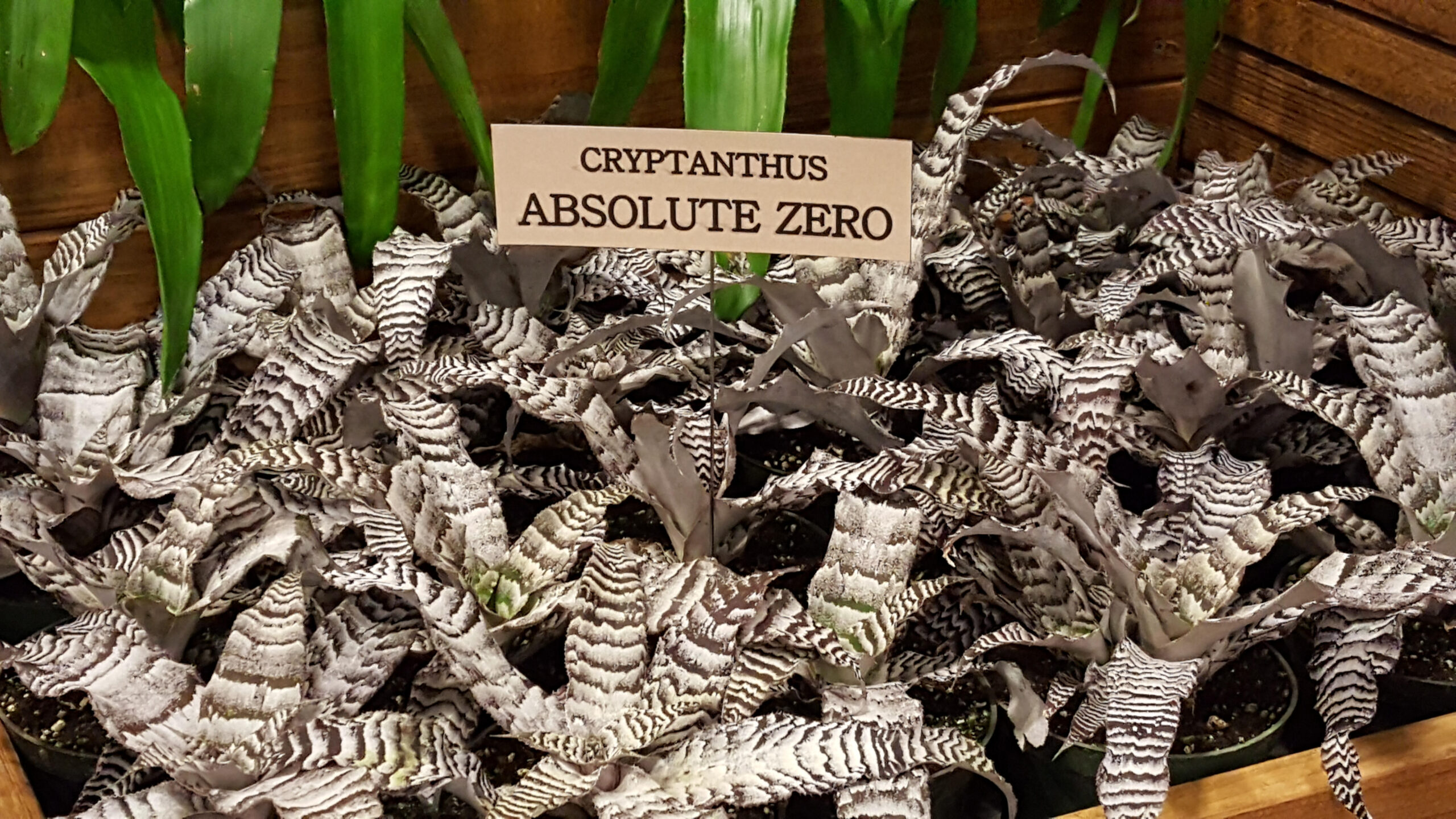
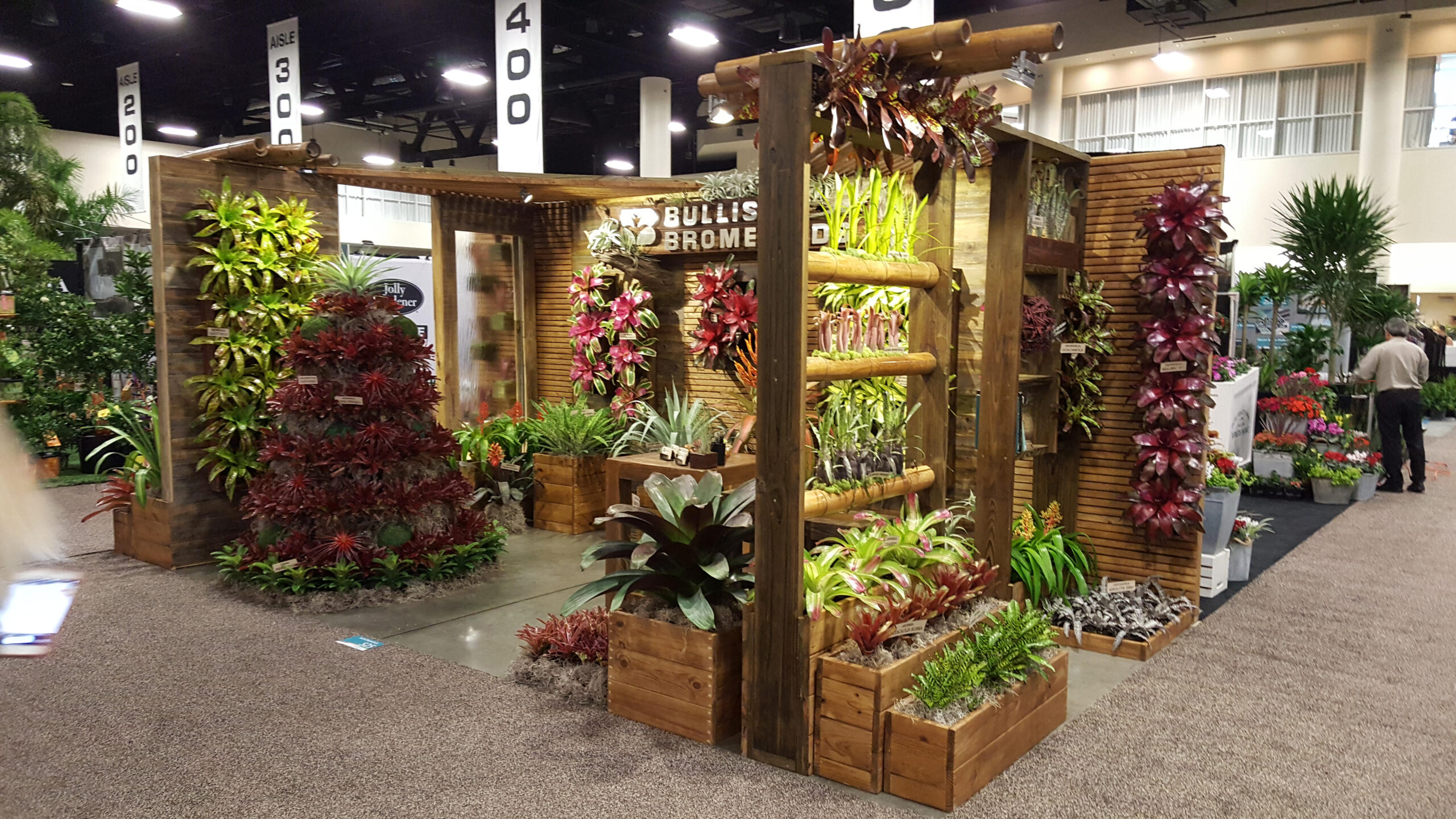
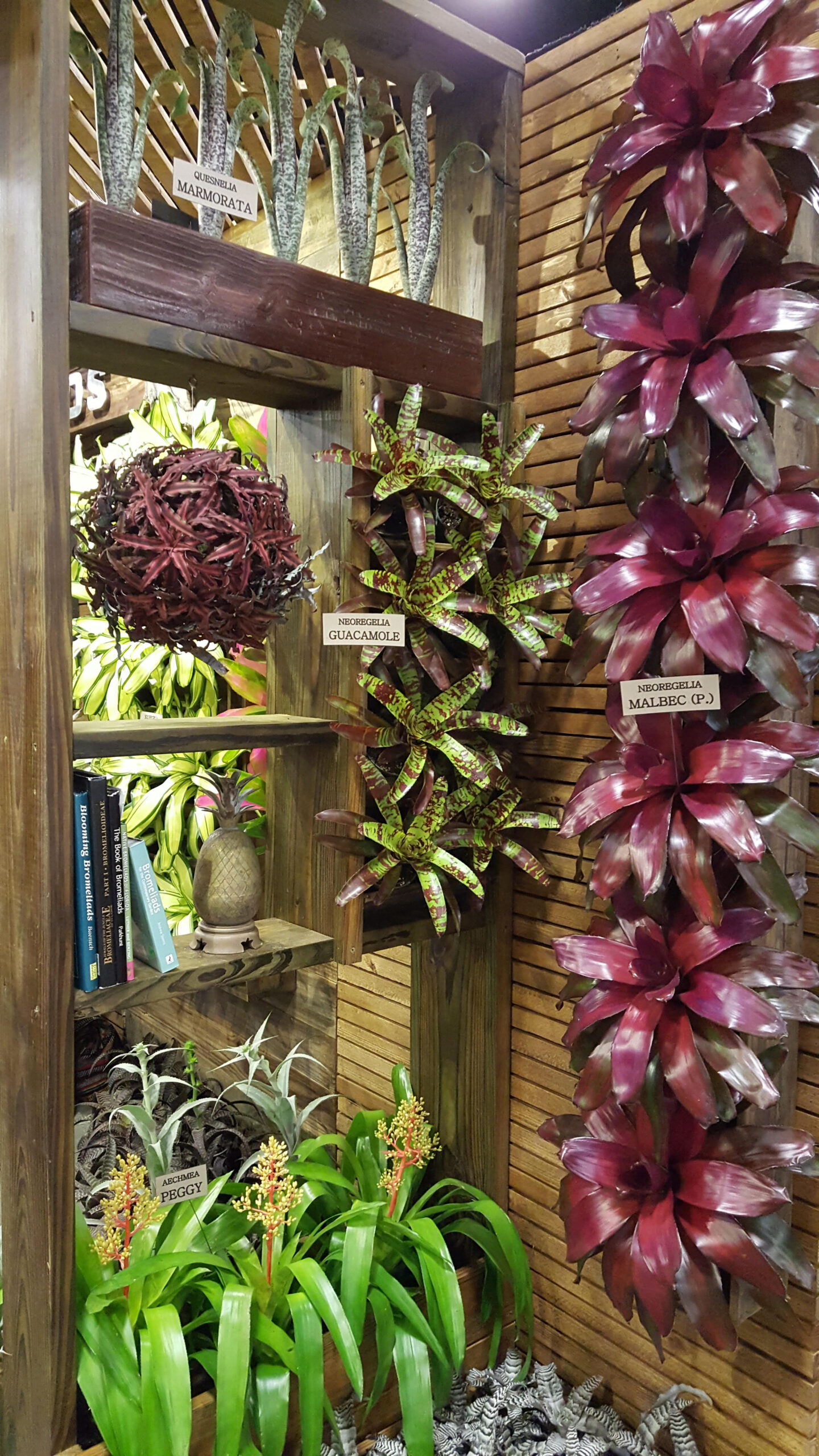
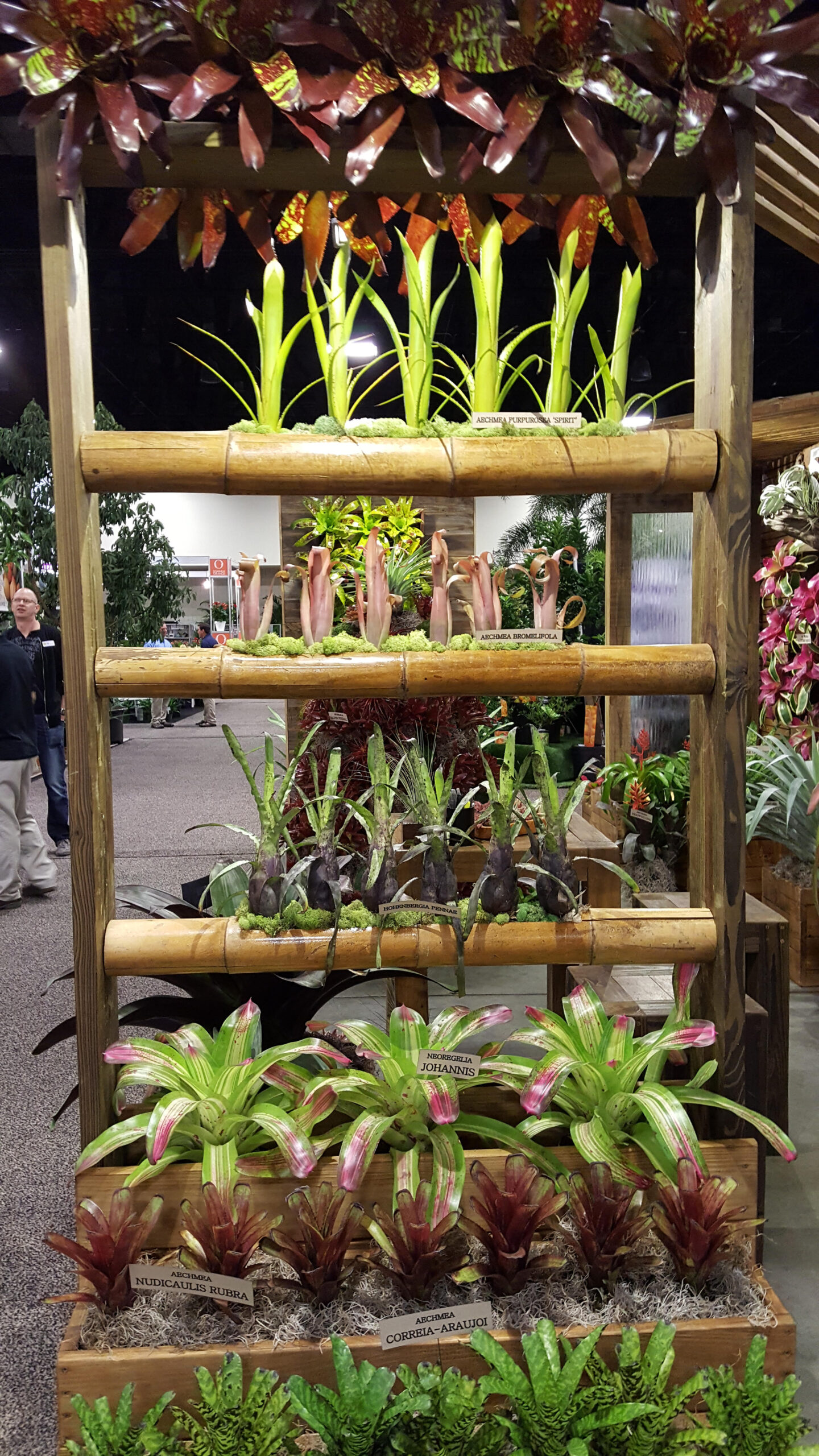
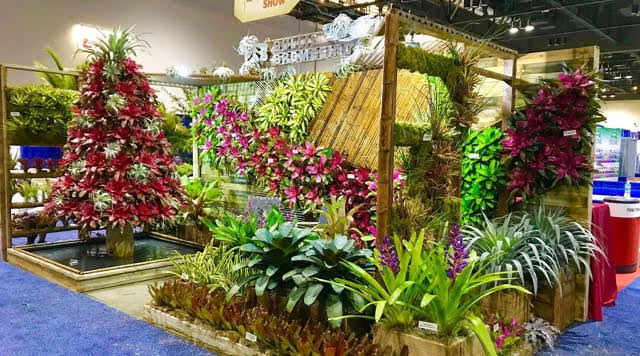
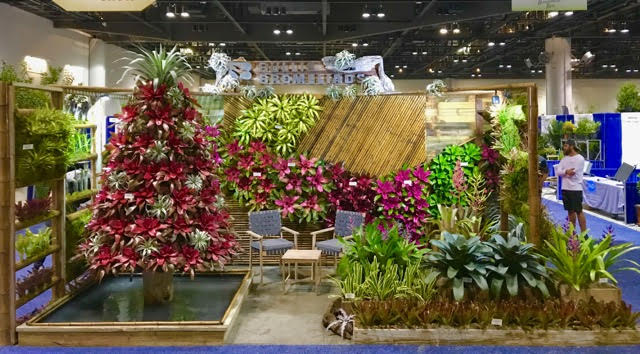
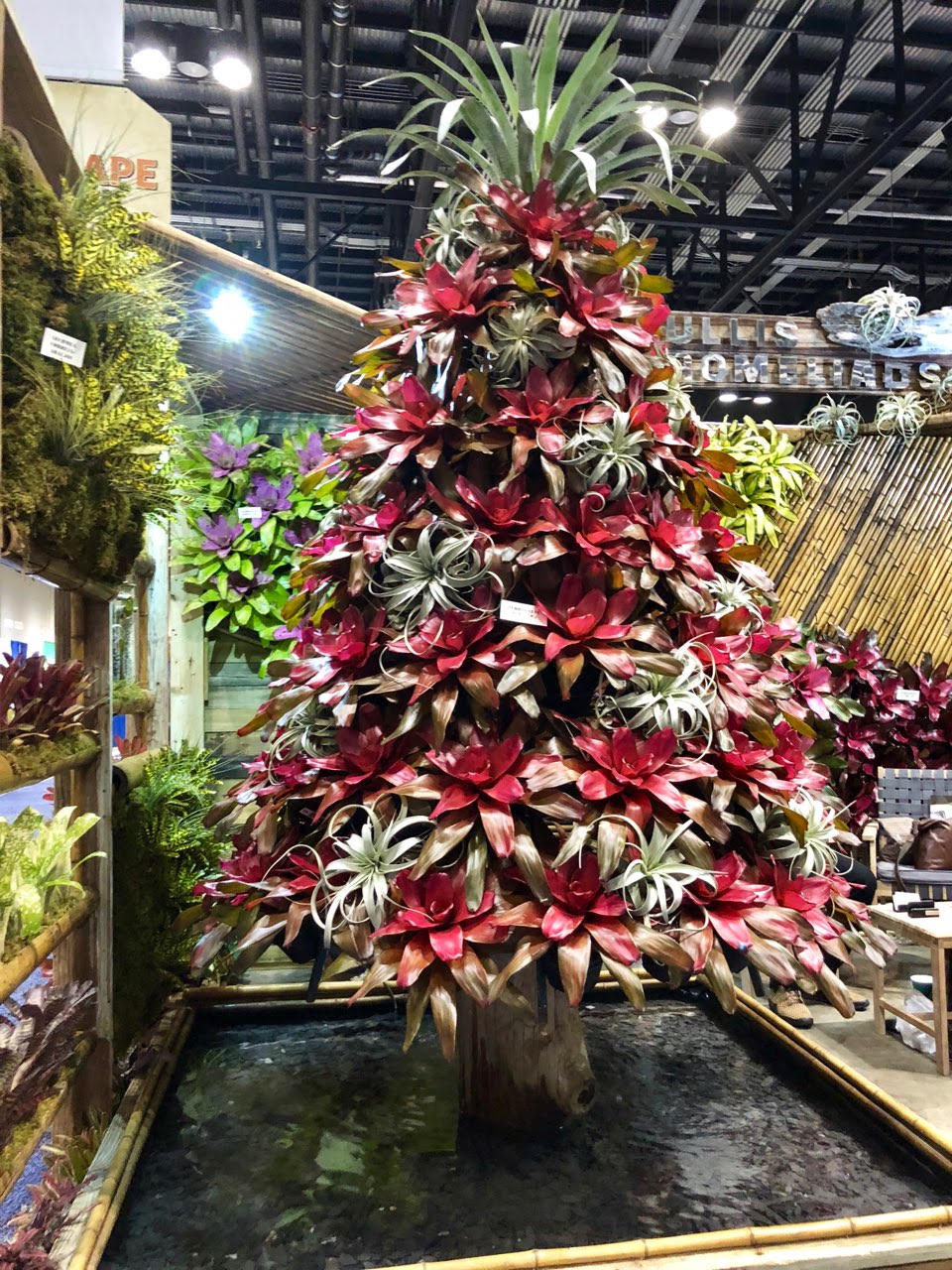
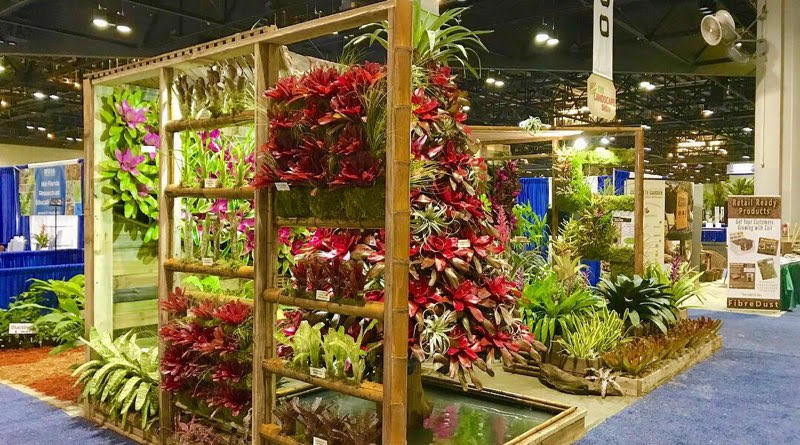
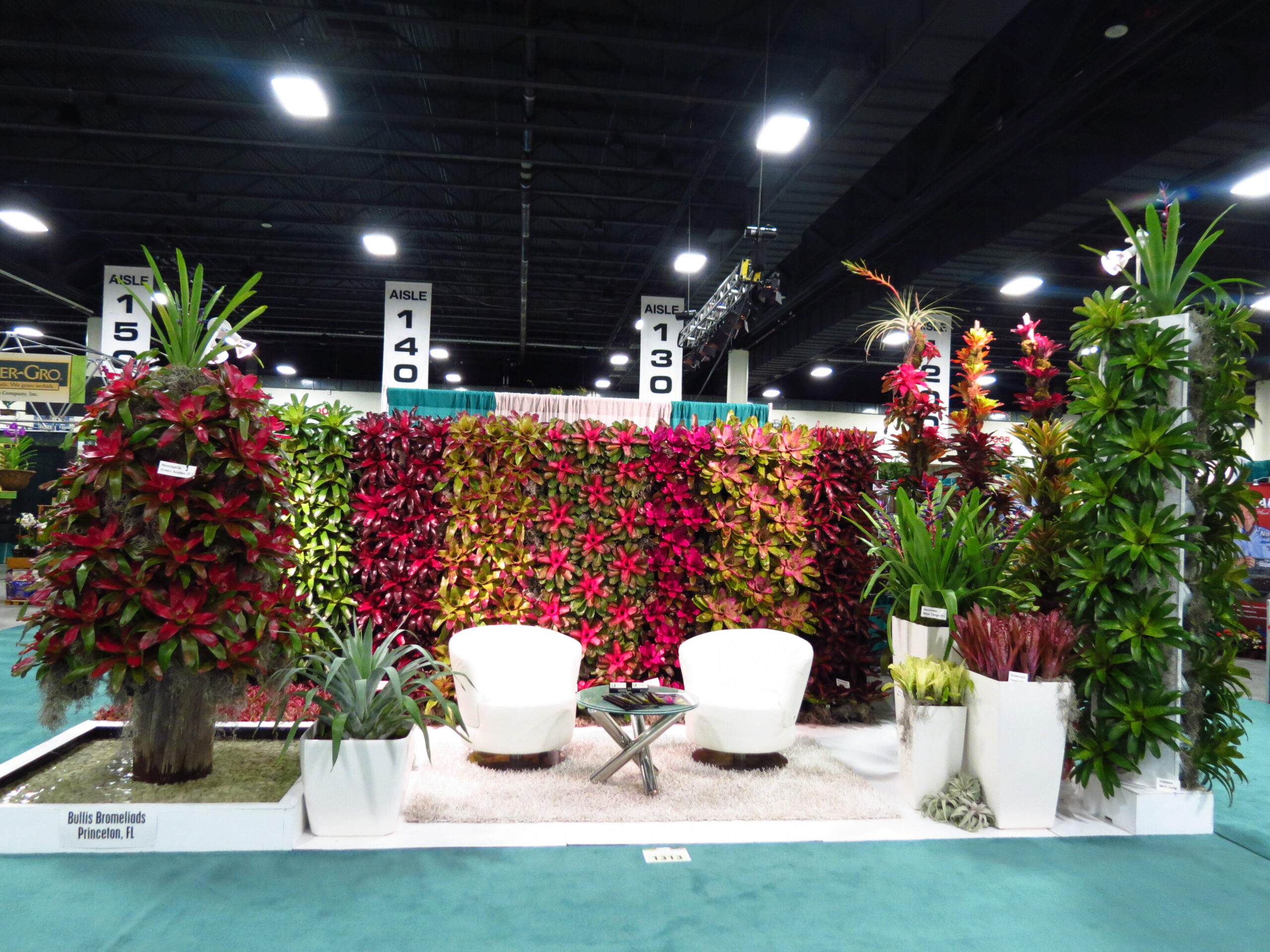
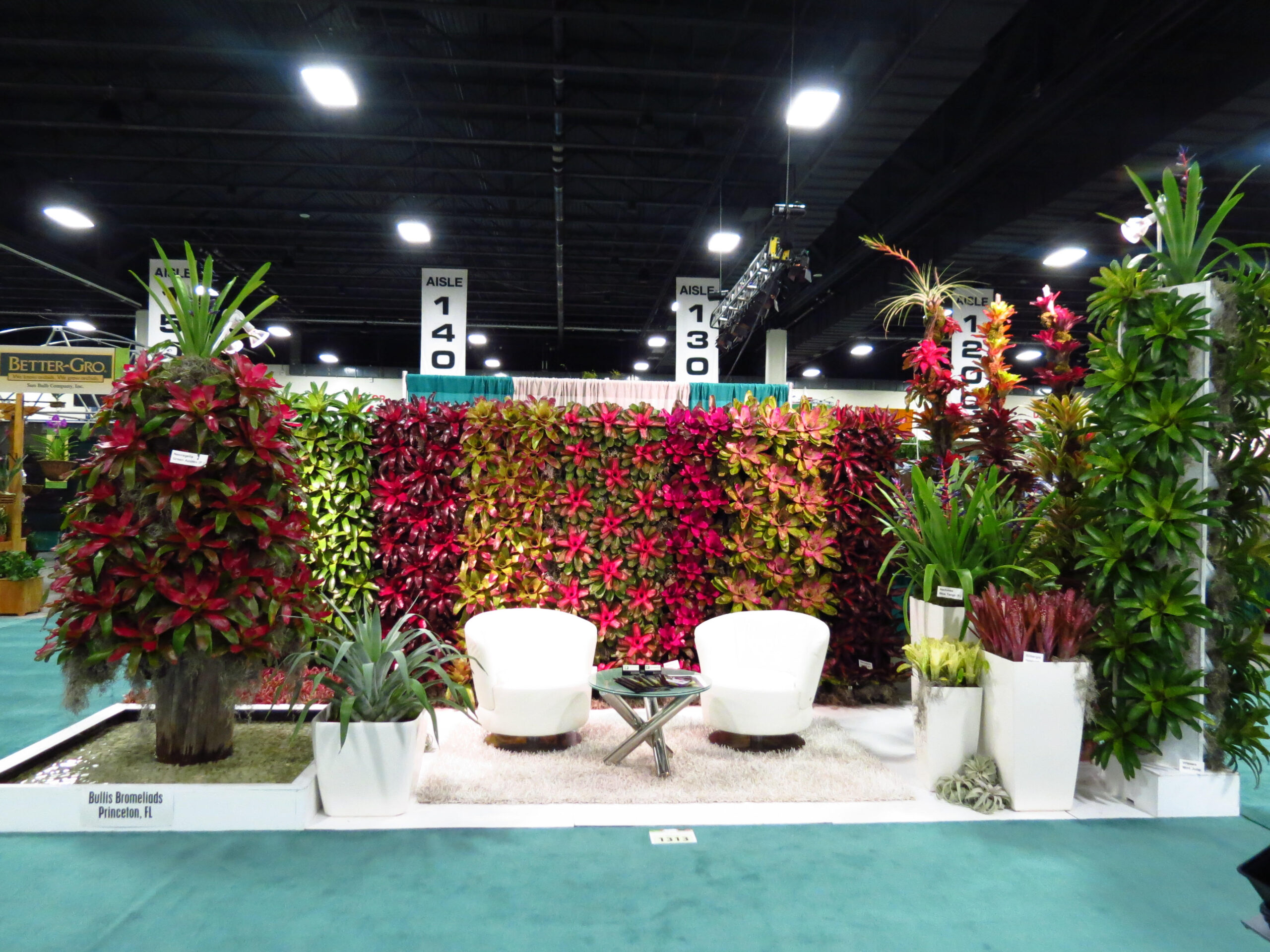
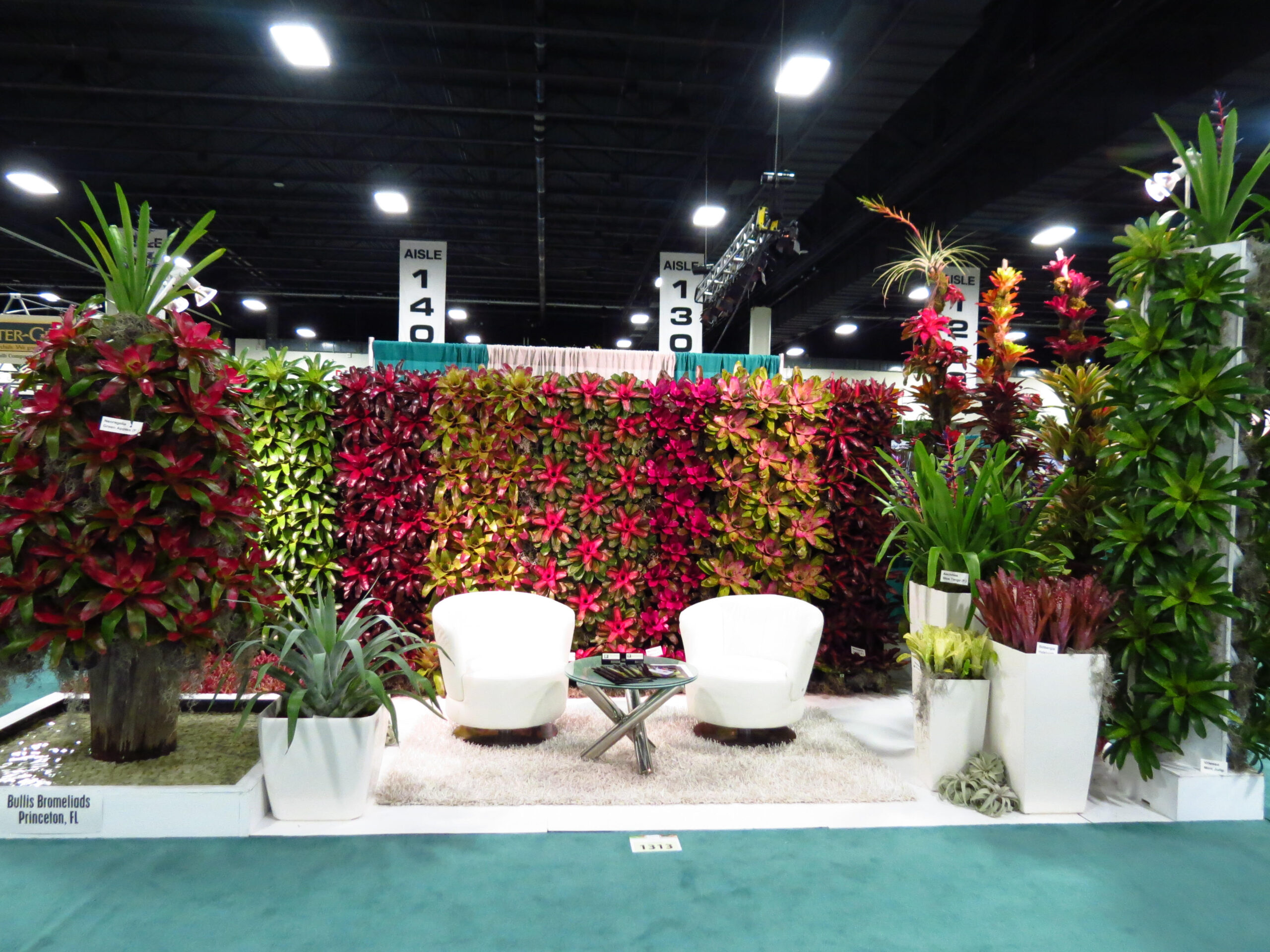
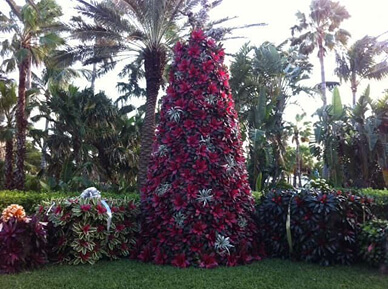
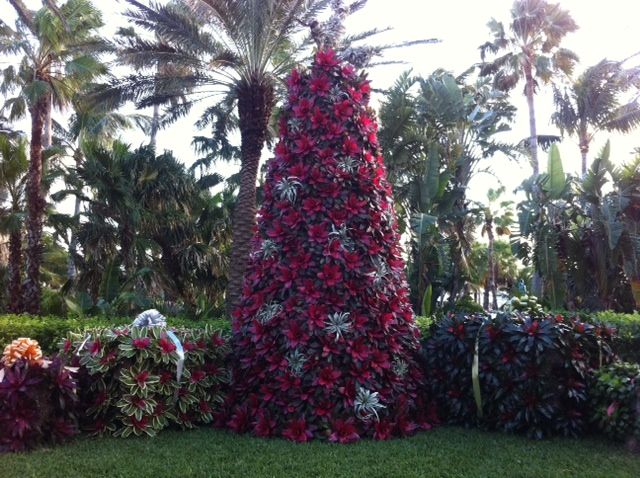
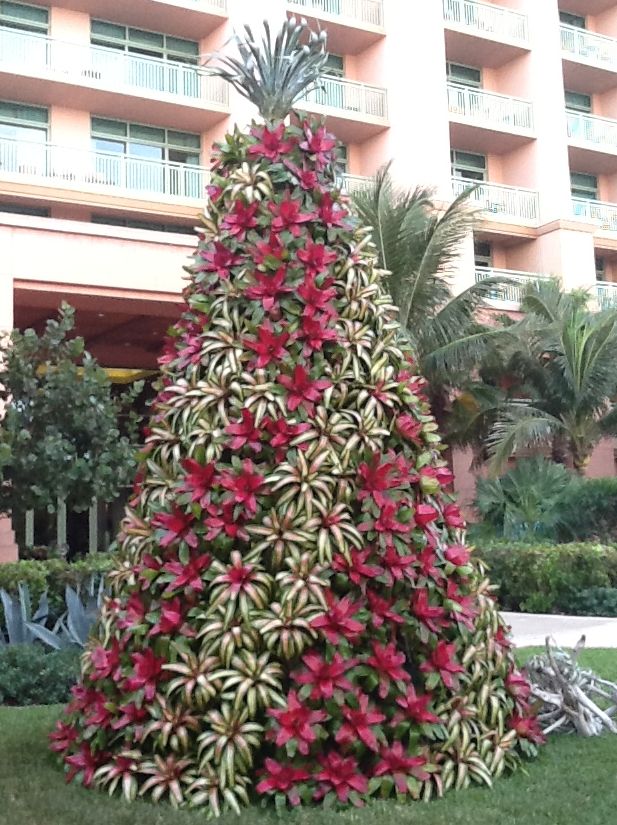
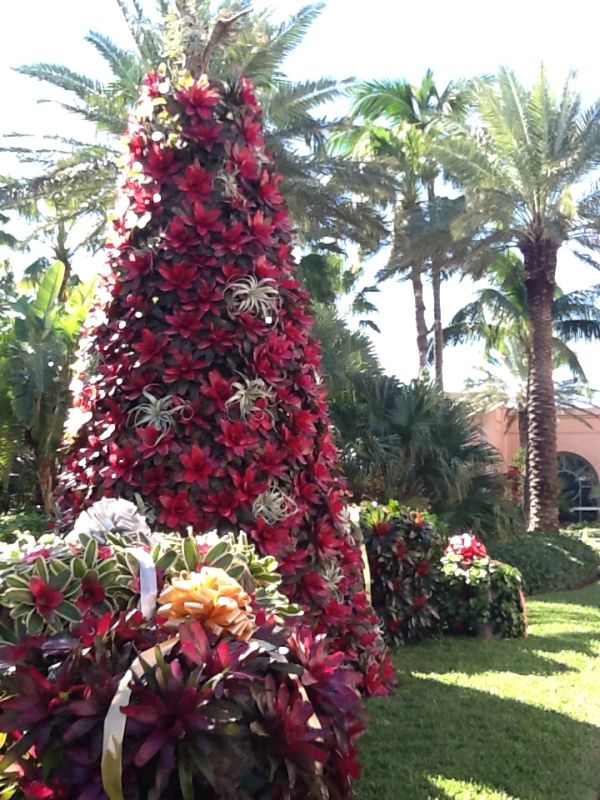
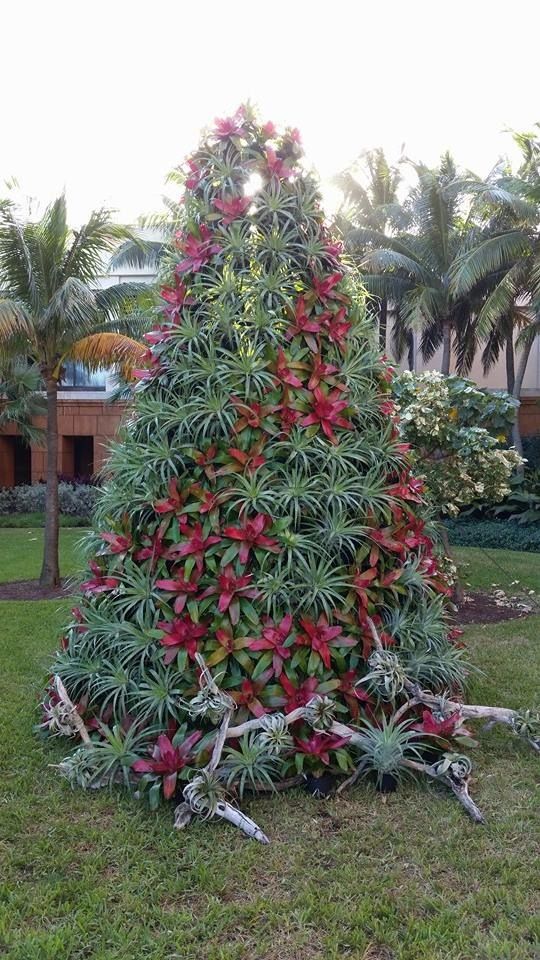
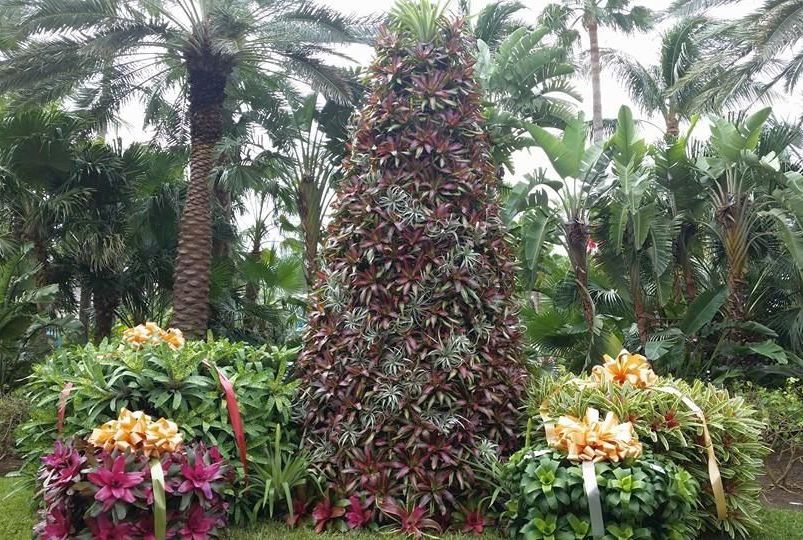
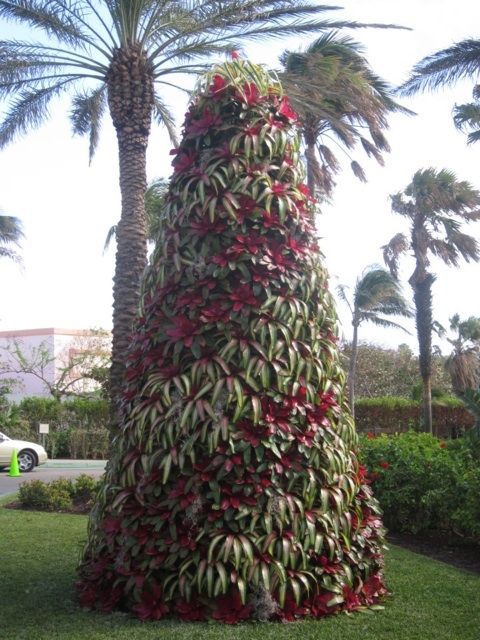
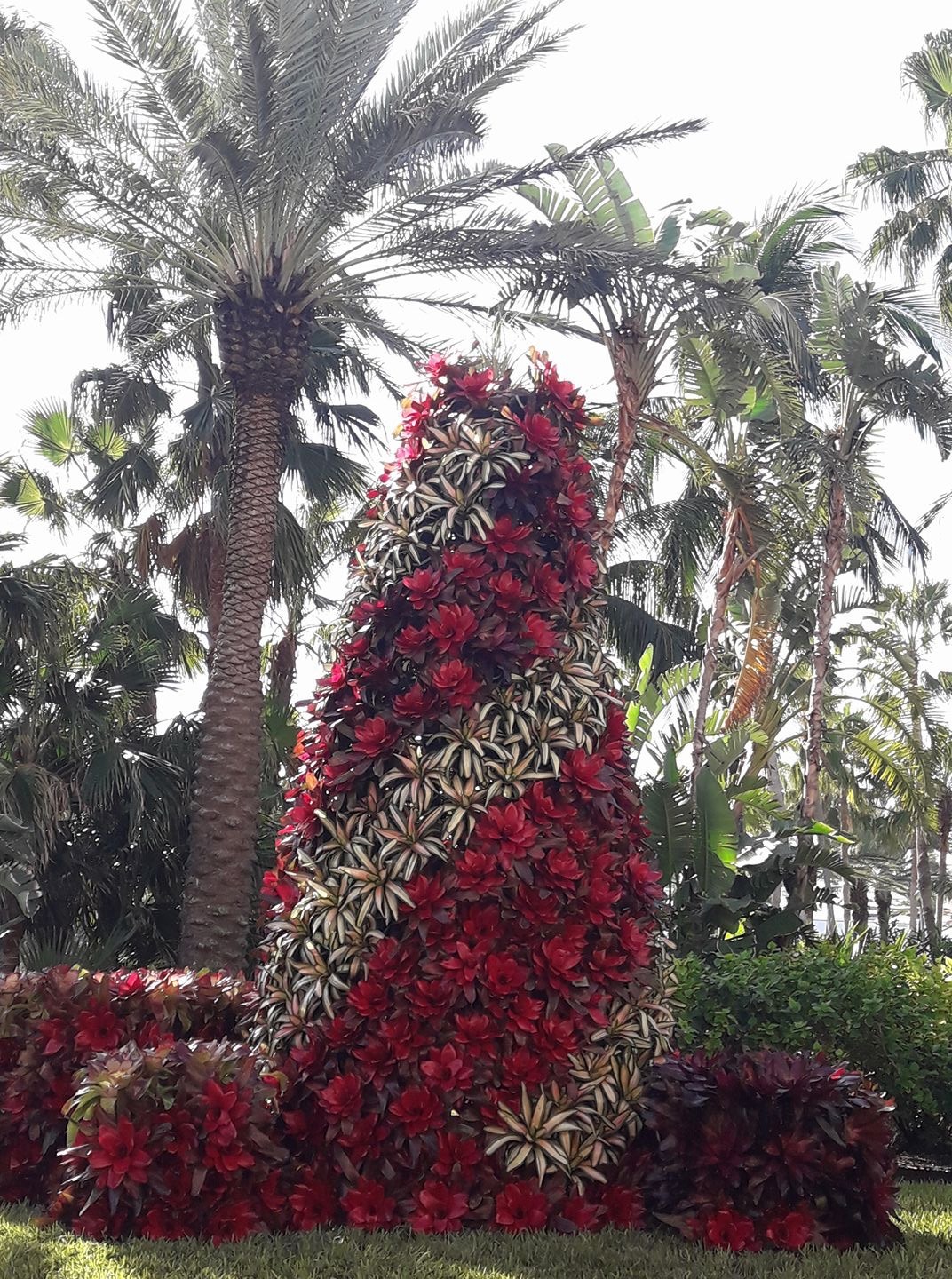
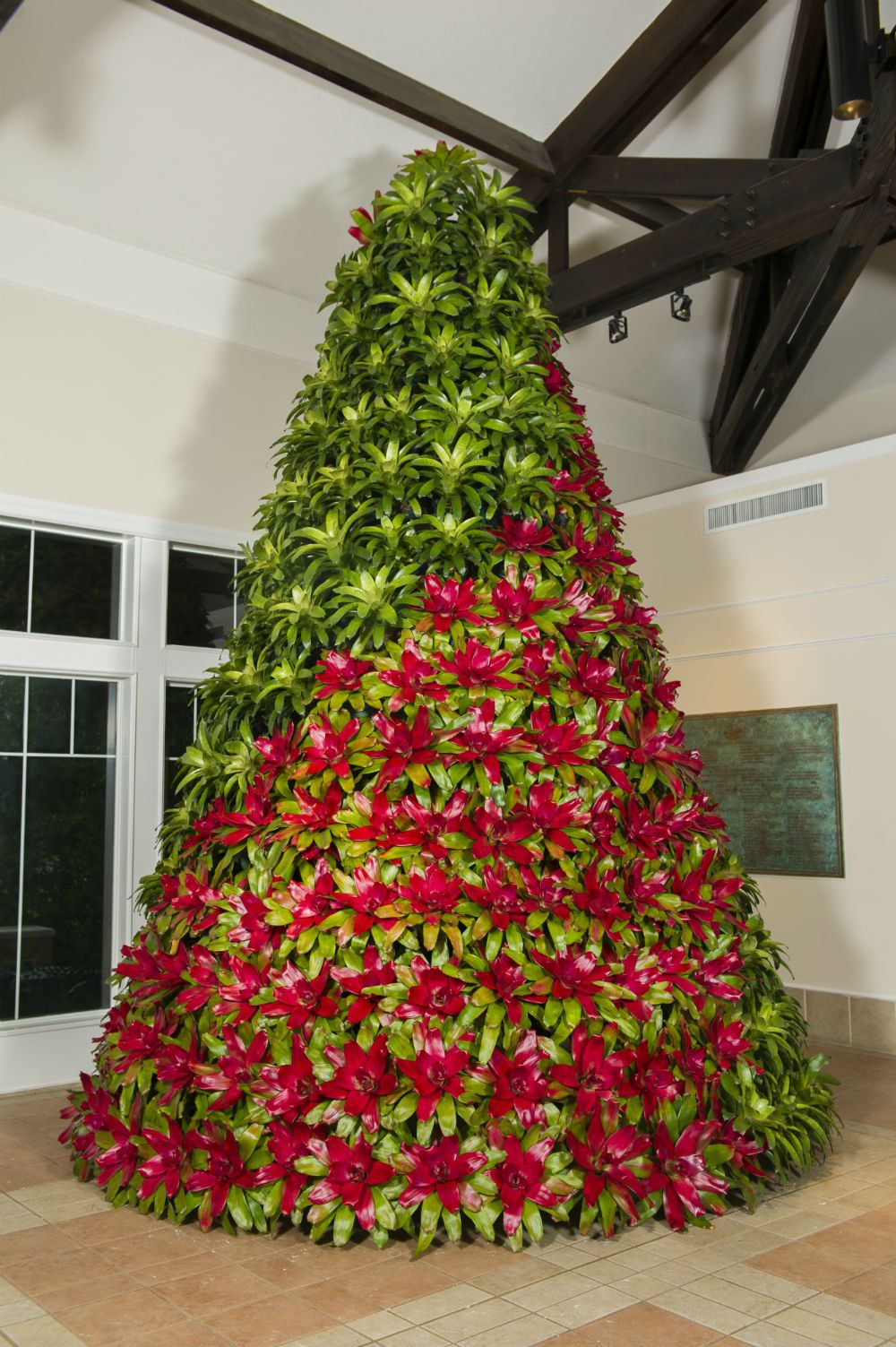
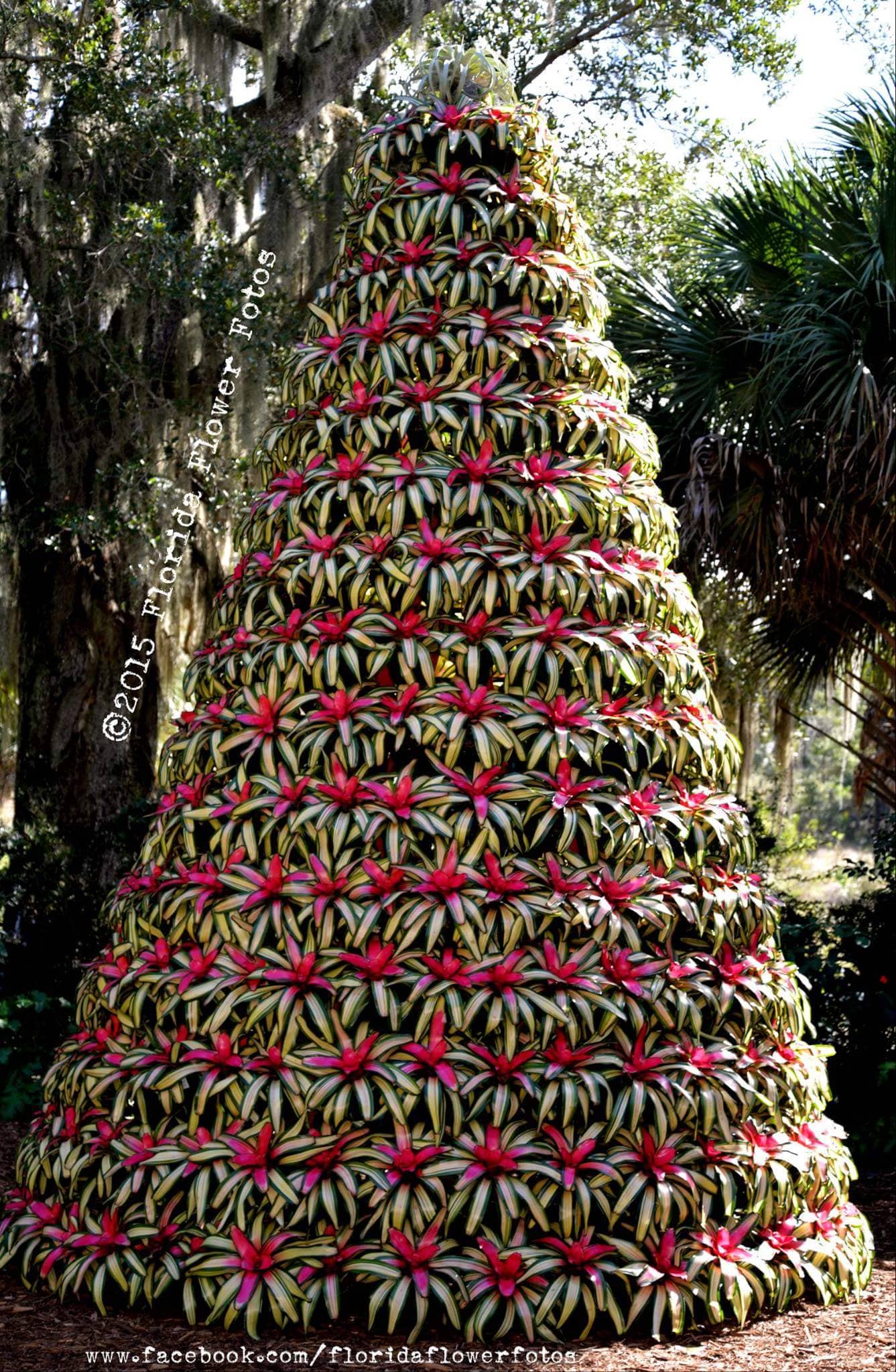
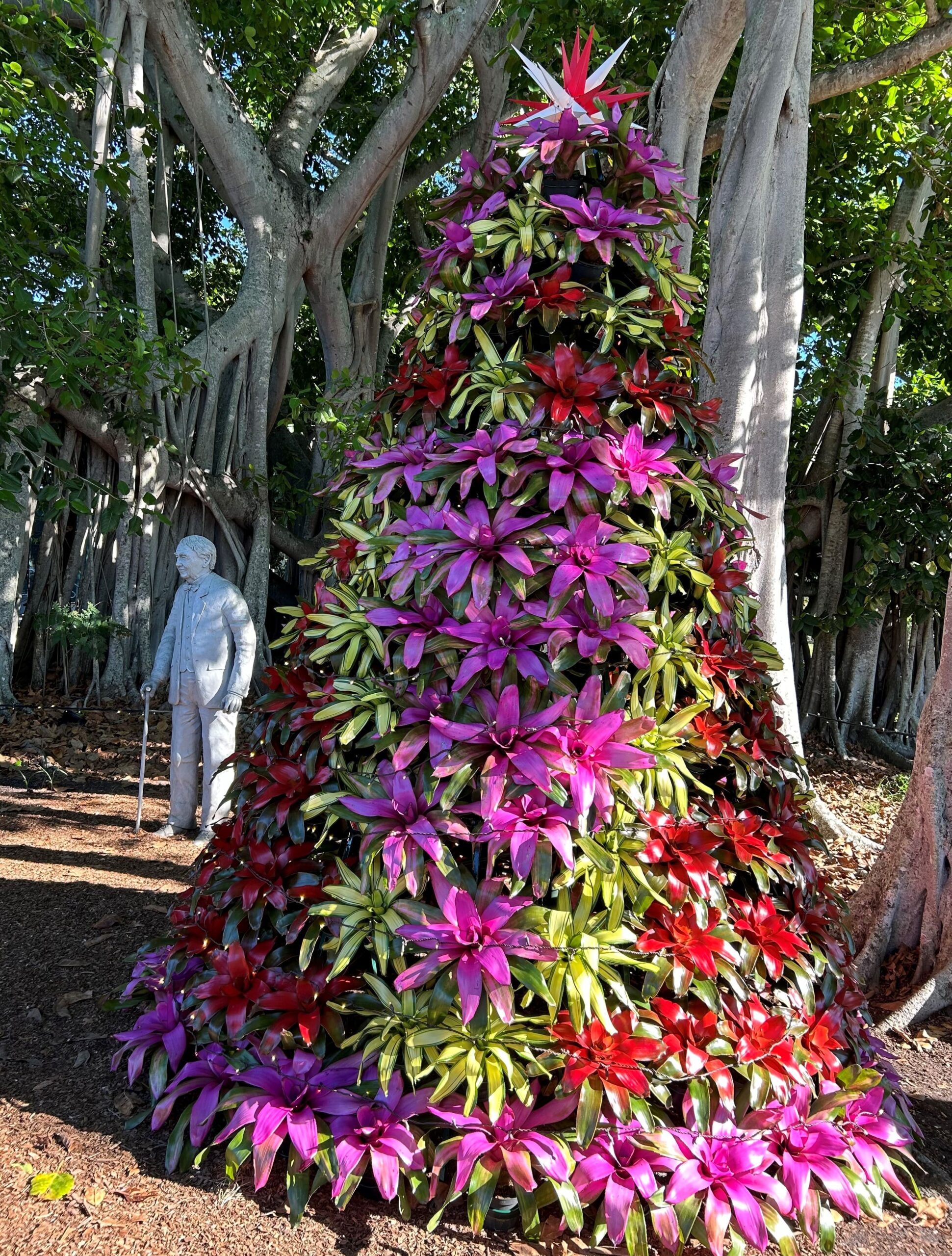
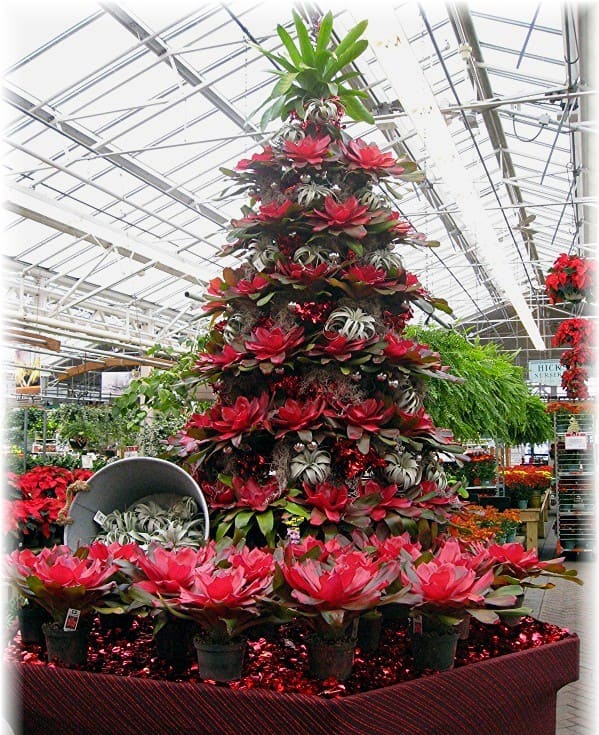
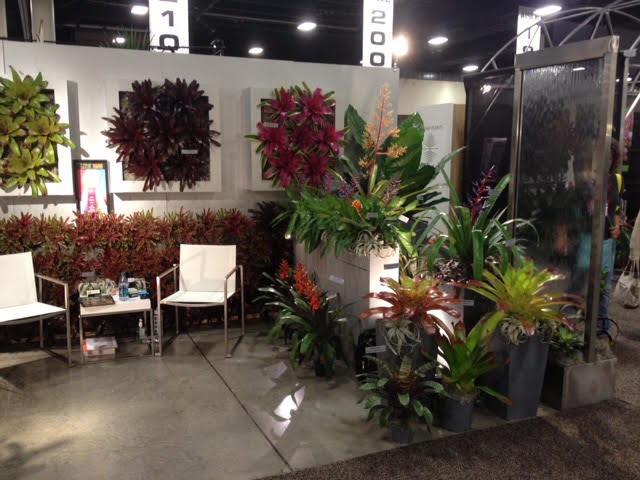
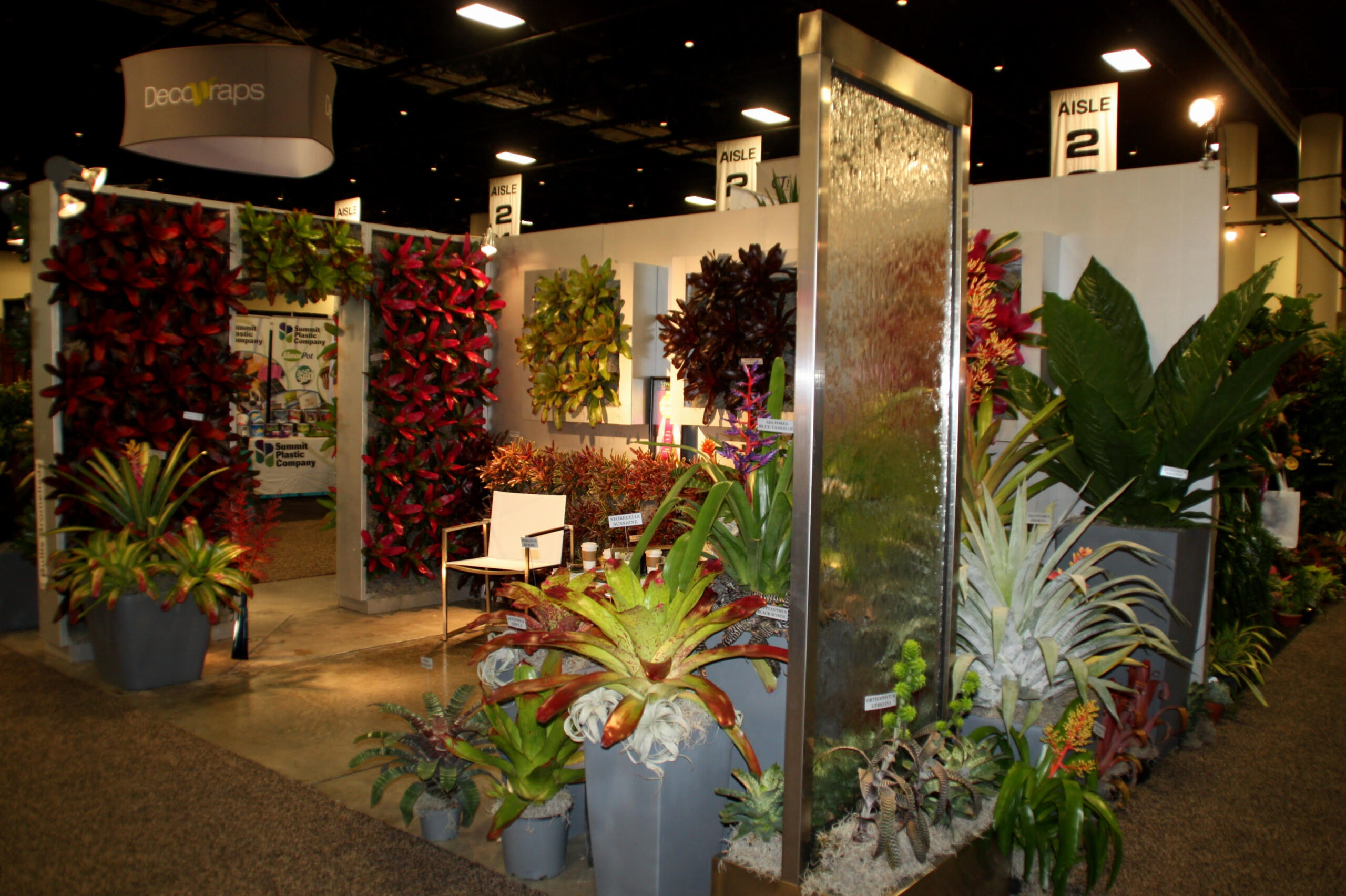
    Bullis attends Trade Shows each year, such as the TPIE (Tropical Plant Industry Exhibition) in Ft. Lauderdale, FL and The Landscape Show in Orlando, FL. We create an indoor garden display to inspire you with ideas and showcase what our wide array of colors have to offer – all sorts of combinations for Landscape, Interiorscape, Living Walls, Christmas Trees, and much more! Our first award dates back to 1978, and since then, we’ve continued to earn recognition for creativity and excellence. Please see our galleries of tradeshow displays. We love to show our customers that bromeliads have unlimited potential, applications, and uses.
    1994 Best in show

    2002 2nd Place

    2010 1st Place

    1995 Best in show

    2011 1st Place

    1996 Best in show

    1999 Best Plant Specimen

    PIA Show
    2012 1st Place

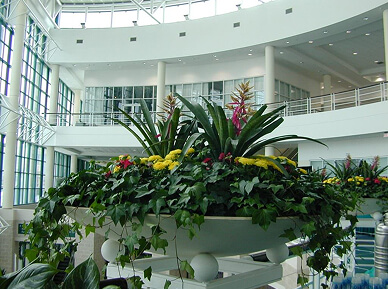
    1999 Best Project Award Interiorscape Worthington Hotel Lobby FT. Worth Texas.

    6 Times Best in Show
    9 Times 1st Place

    4 Times 2nd Place

    19 Times a winner

    Testimonials

    What They Say

    Our stunning bromeliads can be found in botanical gardens and garden centers across the nation, reflecting our commitment to excellence and innovation in the bromeliad industry.
    Bromeliads

    Culture

    Bromeliads (brō-ˈmē-lē-ˌads) belong to the Bromeliaceae plant family, which encompasses over 3,000 species, approximately 56 genera, and about 6,000 hybrids and cultivars. Bromeliads, like other species, are divided into groups called genera. Different genera and species prefer varying light, water, and humid conditions contributed by their environments. In cultivation, the most commonly found genera are Aechmea, Billbergia, Cryptanthus, Dyckia, Guzmania, Neoregelia, Nidularium, Portea, Tillandsia, and Vriesea. All are native to the Americas with one existing in Africa. You can find them growing as abundantly north of the equator in the southern parts of the United States and Mexico while also thriving in South America from Ecuador to Chile and Argentina. Bromeliads entered recorded history over 500 years ago when Columbus introduced the pineapple (Ananas comosus) to Spain upon return from his second voyage to the New World in 1493.

    In nature, bromeliads can be found in many climates and conditions: at sea level, in rain and cloud forests, deserts and on mountains as high as 13,000ft. Much of the species grow on trees as epiphytes or air plants while others grow on the ground, rocks, and cliff faces. Their roots are primarily for support from the host and are not parasites. Spanish moss and ball moss are bromeliads found across a very wide range, but the Ananas Comosus is the most familiar as it is the only edible fruit produced in the family. On the voyage of Columbus, he found it being cultivated by the Carib Indians in the West Indies. Within 50 years this tropical fruit was being cultivated in India and other Old World countries. The bromeliad species is incredibly versatile and contain some of the most adaptable plant families in the world. Bromeliads are very hardy, tough survivors proving their resilience, adaptability, and strength. Not only do they have a tremendous ability to survive; they offer infinite color combinations with interesting styles and forms. Such variability means that there is some bromeliad ideal for your conditions.

    Bromeliad Care

    Potting
    Most bromeliads can be grown in pots, making them easy to care for, move, and display. They can grow in many types of soil mixes as long as the mix drains well, isn’t packed too tightly, and supports the plant while roots form. The mix should also have a slightly acidic to neutral pH.Common materials include peat moss, perlite, coarse sand, bark (like pine, cypress, or fir), tree fern fiber, small gravel, or a mix of these. Orchid bark also works well. The key is good drainage. Bromeliads, like many tropical plants, pair beautifully with orchid collections.

    The roots of most potted bromeliads like to be moist, but never soggy or dry. Keep the central cup filled with fresh water. Do not allow water to get old or stagnant, otherwise rot can occur. Water should be room temperature and poured directly into the center cup allowing water to run through the central reservoir and into the soil medium. Root system watering is just as important as the cup. Frequency of watering depends highly on the bromeliad variety as well as the temperature and humidity of the environment. Mist plants a couple times a week if humidity is 50-60%, daily if lower.

    Light requirements vary with each specie, cultivar, or hybrid. All bromeliads require some form of direct, partial or highly shaded light in order to perform optimally. Knowing the environment is important to placing a bromeliad in its desired conditions. With intense light conditions, it is imperative to ensure enough watering occurs to prevent drying out. For deeply shaded areas, it is important to ensure overwatering does not occur. There are a few select varieties that stand full sun with a break of shade. The majority of bromeliads require a break to reduce stress, blanching (extracting/bleaching of color), sunburn spots, and/or holes.

    Most bromeliads will tolerate a broad range of temperature from 95°F/29°C high to a low of 34°F/1.1°C. The optimum ranges are 70°-90°F/21.1°-32.2°C during the day and 50°-60°F/10°-15°C during the night. Air circulation is most desirable for bromeliads, especially in hot conditions. Cold air does not hold much humidity whereas hotter air can. Relatively, humidity for bromeliads should be between 50 -70%.

    The three numbers in a fertilizer formula represent the proportion of the three essential macro-nutrients – Nitrogen, Phosphorus, and Potassium – in that order of N-P-K. Fertilizers used generally range from 20-10-20 (Peat Lite Special), to 20-10-30 to a balanced formula with equal amounts of the three. The frequency and strength of applications is dependent on many factors such as the type of bromeliad, temperature, and growing conditions. It is advisable to feed bromeliads with dilute, soluble fertilizer at about 1/8 to ½ the strength specified on the label.

    Many epiphytic (tree-dwelling) and saxicolous (rock-dwelling) bromeliads form hold-fast roots that anchor them securely to their surface. To encourage proper attachment, the plant should be firmly fixed to its mount so the delicate root tips can make contact and grow. A variety of materials work beautifully for mounting — cork slabs, driftwood, lava rock, stone, or wood pieces. If attaching to an item that has been in seawater, be sure to remove all traces of salt before use.

    Our Showroom

    Visit Us

    24350 SW 147th Ave, Princeton,
    Florida 33032 USA